When selecting respiratory protective equipment, there is no single solution that fits every situation. Each work environment, task and operator has specific needs that must be carefully evaluated.
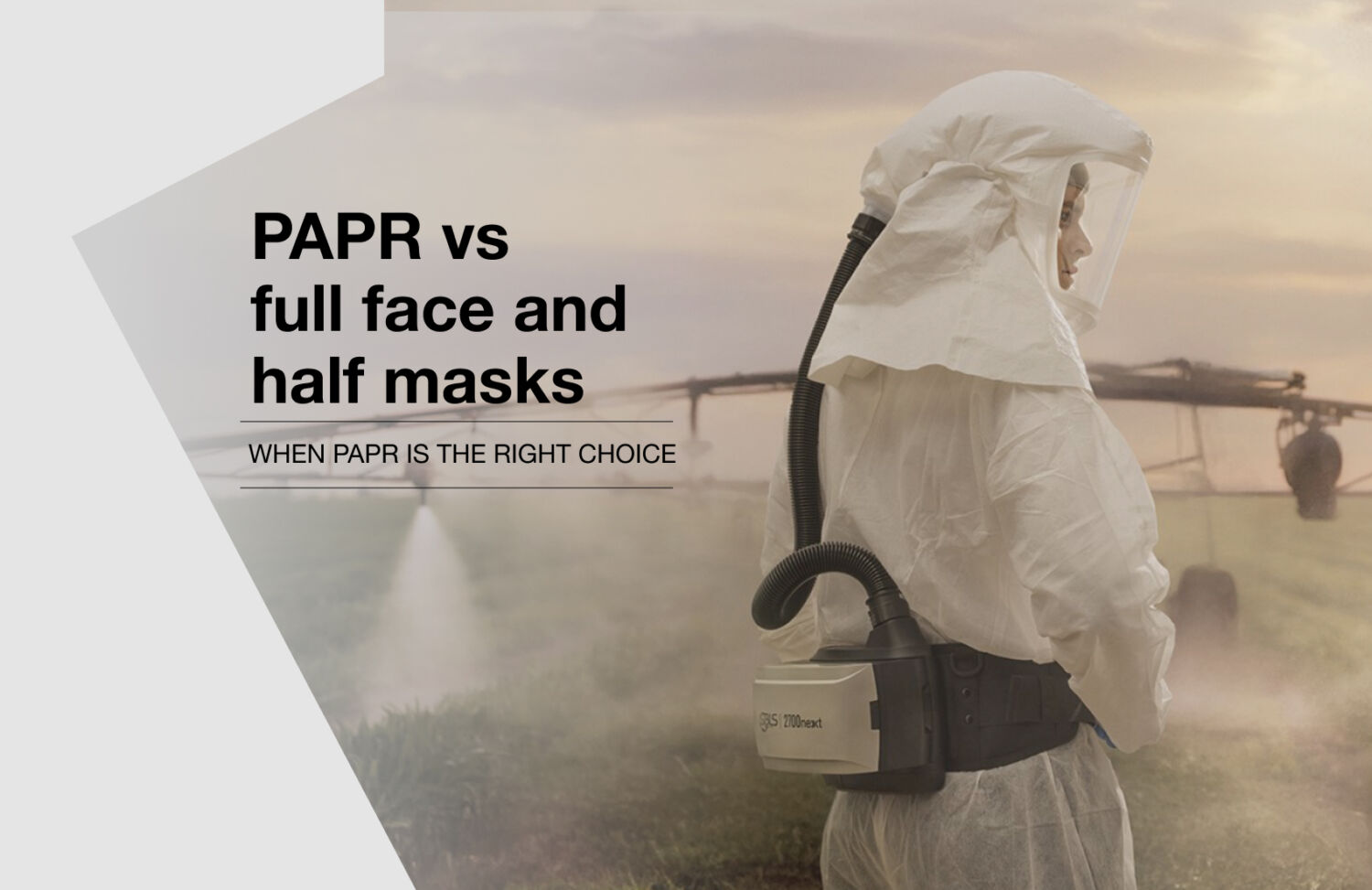
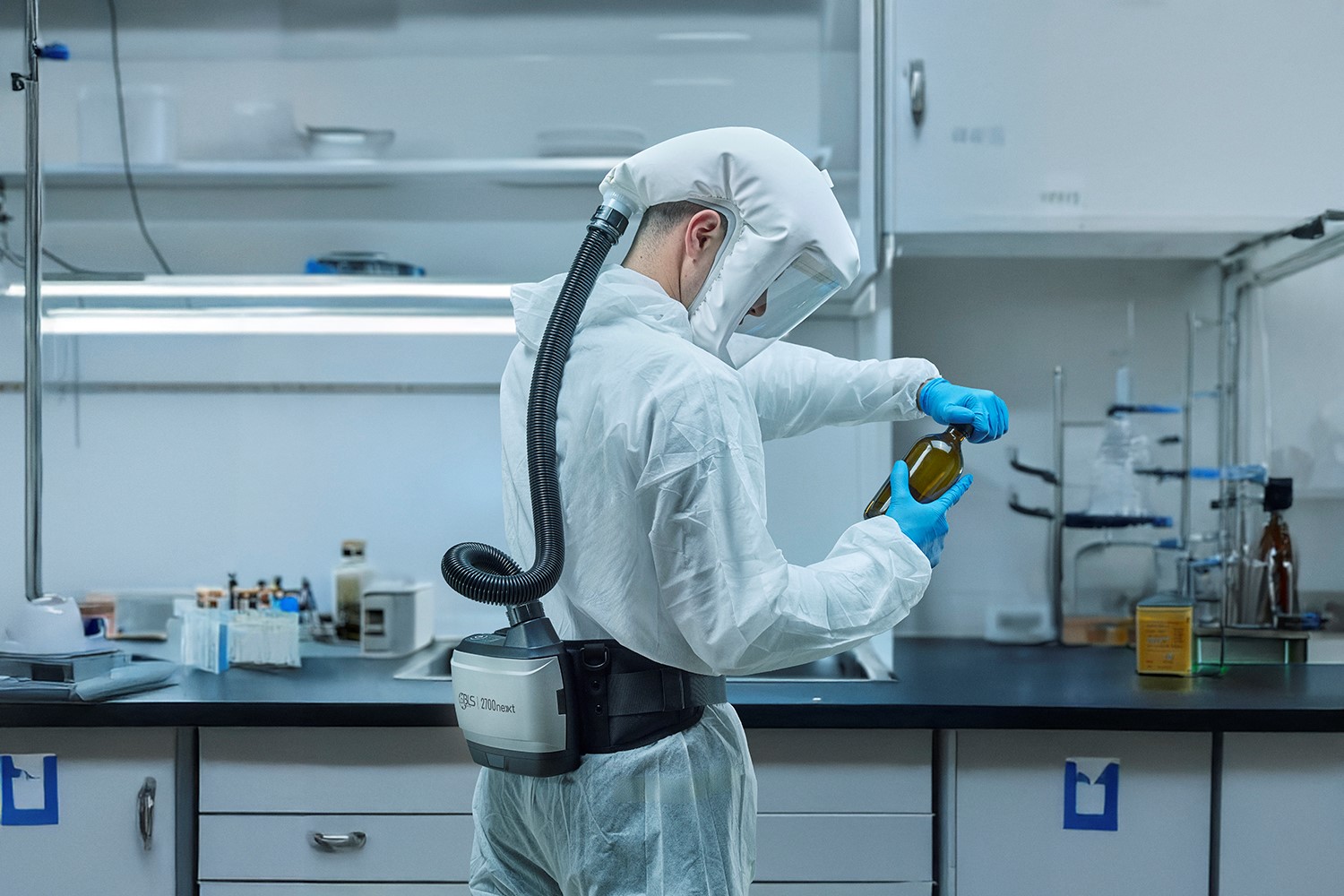
In certain contexts, powered air-purifying respirators (PAPR) represent a concrete alternative to traditional negative-pressure devices, such as filtering facepieces, half masks and full-face masks.
But when are they really the right choice?

Operational comfort
One of the main reasons for choosing a powered air-purifying respirator is comfort.
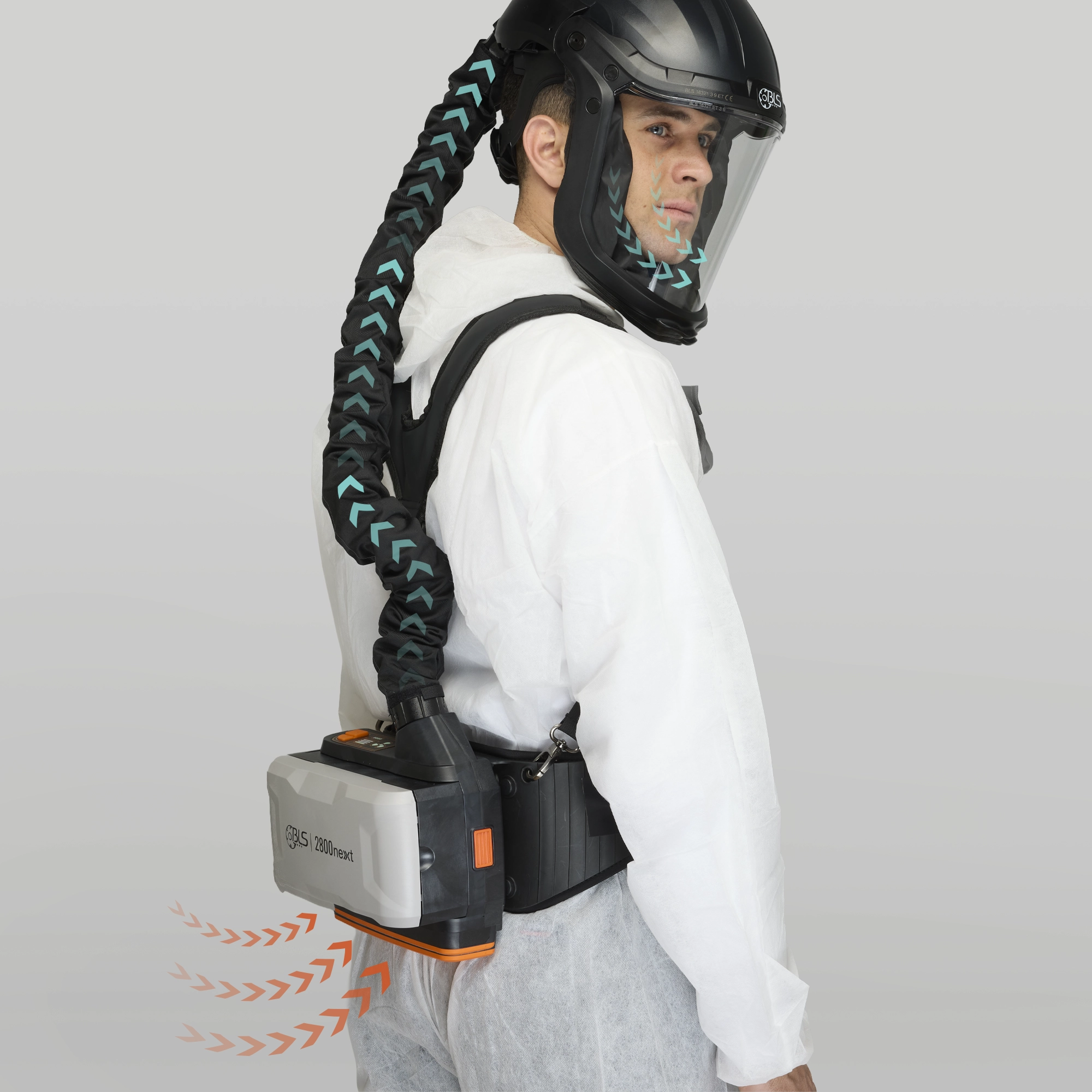
Unlike negative-pressure devices, a PAPR supplies filtered air continuously, eliminating the breathing resistance required from the operator. This results in more natural breathing and reduced fatigue, even during long work shifts.
In addition, the airflow helps reduce heat build-up and sweating, improving overall user comfort and allowing higher levels of concentration to be maintained over time.

Certainty of protection
Another key aspect concerns the reliability of protection.
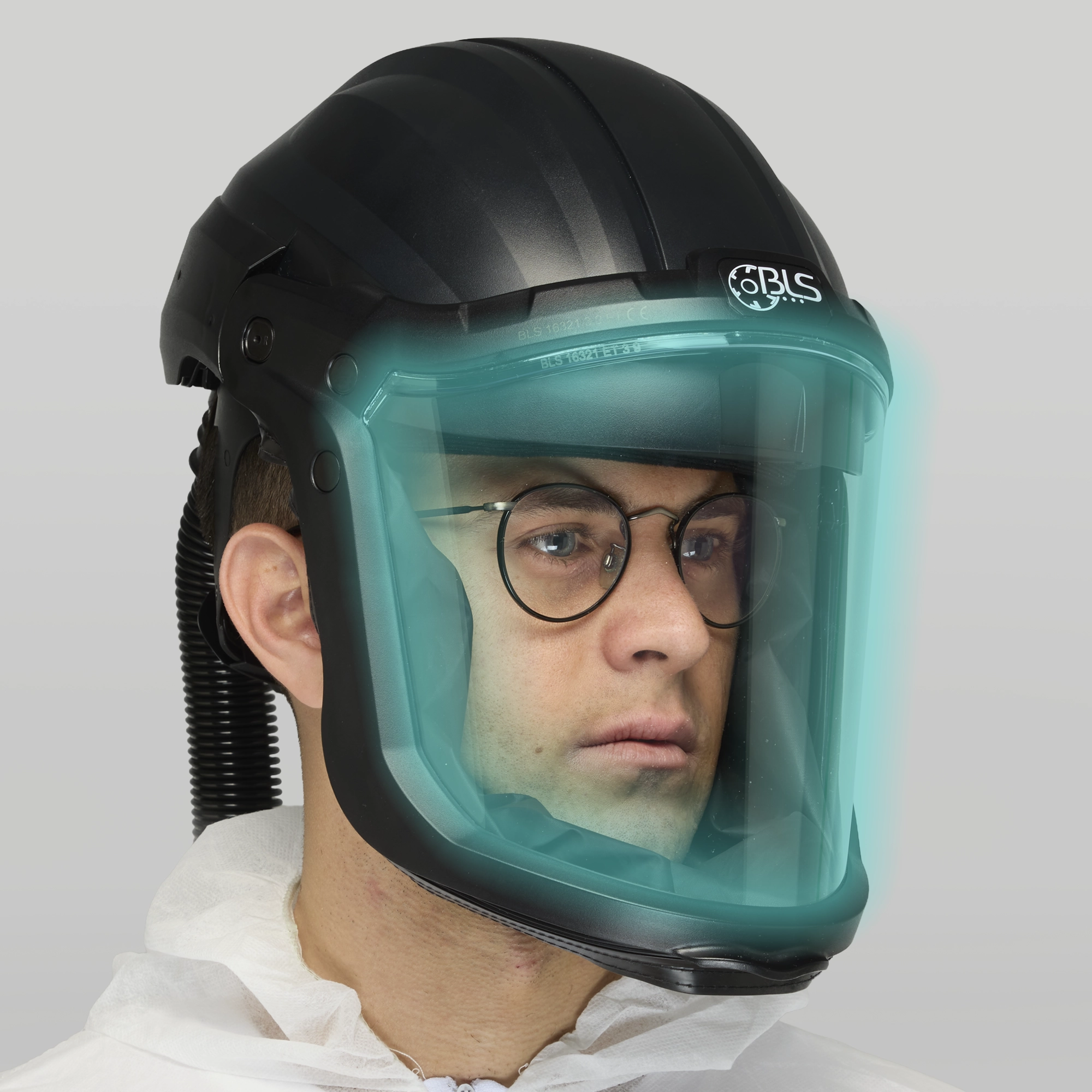
With negative-pressure devices, system effectiveness depends critically on achieving a perfect face seal. The presence of facial hair, glasses or other conditions that compromise the seal significantly reduces the level of protection provided.
A powered air-purifying respirator overcomes this limitation thanks to the airflow directed into hoods or visors under slight positive pressure. This feature ensures that contaminated air cannot enter the device, regardless of facial hair or the operator’s face shape.

When a PAPR truly makes the difference
A powered air-purifying respirator is particularly suitable in contexts characterized by:
In all these situations, a PAPR is not just a technical choice, but a solution that directly impacts safety, productivity and operator well-being.
.