Lung cancer: the importance of PPE for primary prevention
National conference dedicated to the link between lung cancer, occupational exposure and the use of personal protective equipment (PPE).
On November 25th, was held in Rome the conference "Lung cancer and work. The role of PPE in primary prevention", bringing together representatives from the worlds of politics, healthcare and manufacturing to address an issue that is often less visible than accidents at work: occupational diseases, particularly those affecting the lungs.
The meeting was moderated by Fabrizio Protti, president of the National Asbestos Helpdesk.
Asbestos and mesothelioma: an ongoing emergency
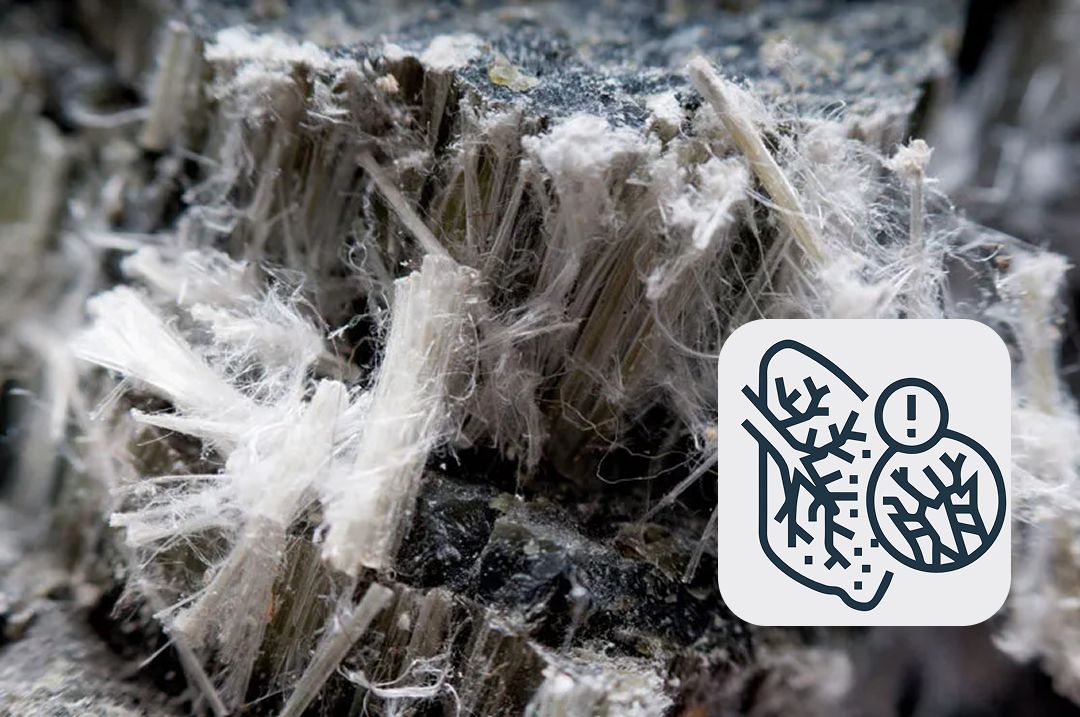
At the heart of the debate is the link that still exists between exposure to asbestos and mesothelioma.
Despite the ban on the use of asbestos having been in force for years, its presence in Italy remains significant: millions of tonnes of contaminated material and thousands of buildings still at risk, including schools, libraries and hospitals.
Cases of mesothelioma continue to occur, making it clear that the problem is not a thing of the past but requires concrete primary prevention measures in the present.

The role of politics: towards a new law on intellectual property rights
The conference was organised by Honourable Cristina Almici and Honourable Enzo Amich, the latter of whom has been involved in awareness-raising, prevention and screening activities for many years, partly due to his ties with the Casale Monferrato area.
During the meeting, Almici presented a new bill dedicated to Personal Protective Equipment, with the aim of strengthening its effectiveness in the prevention of lung cancer. The proposal aims to clarify fundamental aspects such as the selection, training, traceability, maintenance of PPE and employer responsibility, also introducing tools such as fit testing for more appropriate selection of devices.
The aim is to make PPE not just a formal obligation, but a real tool for protecting health.
Manufacturers and distributors: the importance of standards
From the point of view of production and distribution, there is a strong need for clear and shared technical standards.
In this context, standardisation is seen as a concrete support for safety, capable of reducing the margin of error and increasing the effectiveness of primary prevention.
The healthcare perspective: prevention works
Interventions in the healthcare sector have reiterated a key concept: primary prevention works.
Statistics show that proper risk management, combined with the appropriate use of PPE, can significantly reduce the incidence of occupational diseases.
Alongside technical tools, training and awareness-raising remain key and should be launched as soon as possible, including in schools, in order to build a more widespread and informed culture of prevention.
Training and regulatory clarity: the regional perspective
During the event, the work carried out at regional level was also highlighted. Giorgio Bontempi, councillor for the Lombardy Region and first signatory of a new bill to protect workers exposed to asbestos, emphasised how training, information and clear rules are essential elements for effective prevention.
A final thought: beyond injuries
The conference shone a spotlight on an often overlooked issue: workplace safety is not just about accidents, but also about illnesses that develop over time and can be prevented.
Strengthening the focus on PPE and primary prevention means investing today in tomorrow's health, promoting a more informed, structured and shared approach to worker protection.
To learn more about the topic discussed, the full version of the conference is available on YouTube.
Stay informed
Stay safe.