BLS Safety Guide: Asbestos
A guide written by Dr. Antonio Moffa, Dr. Claudia Beccaria and Lucrezia Giorgi of the Unit of Integrated Therapies in Otolaryngology at the University Polyclinic Campus Bio-Medical Foundation in Rome.
Metal handling operations are recognised and classified as those that pose the highest health risk, due to both the substances used and the alloys obtained and their various production processes.

The metallurgical industry deals mainly with the processing of base and precious metals to produce what are called mineral or metal matrix composites. The steel sector, on the other hand, deals more specifically with the production of ferrous metals (iron and steel). Products from both industries are widely used in construction, transport, vehicle manufacturing and household appliances.
However, there are specific hazards for this category of workers, namely the melting of compounds, the use of quartz dusts and various metals, iron oxide fumes and gases and vapours such as carbon monoxide (CO), hydrogen cyanide (HCN), hydrogen sulphide (H2S), benzene (C6H6), asbestos, talc and others. The particles released into the air are deposited in the respiratory tract from the moment they are inhaled.
In the iron and steel industry, the highest risk is posed by the use of blast furnaces, which are required for the continuous production and casting of cast iron. During steel production, many toxic gases are released, such as carbon monoxide (CO), carbon dioxide (CO2) and other explosive gases such as methane (CH4). This means that the atmosphere must be constantly monitored with powerful gas detectors to observe the current occupational exposure limits.
All respiratory diseases of the lungs, generated by prolonged exposure to and inhalation of air pollutants, are classified as pneumoconiosis. All those affecting the bronchial mucous membranes are termed bronchopathies. Various occupational agents, on the other hand, are associated with lung cancer. The main ones are asbestos fibres, nickel compounds, arsenic, diesel exhaust and radon gas.
In general, diseases with a shorter latency period, such as allergic diseases, prevail among younger people: asthma and rhinitis in the 16-29 age group account for 58.3% and 33.3% of respiratory diseases, respectively. Pneumoconiosis, on the other hand, occurs almost exclusively in the older age groups; asbestosis in the 60+ age group accounts for 37.9% of respiratory diseases and silicosis in the 50-59 age group for 21.9%. In fact, the control of silica dust in workplaces and the banning of asbestos have led to a decline in these diseases, which nevertheless continue to be found in people who have been exposed in the past.
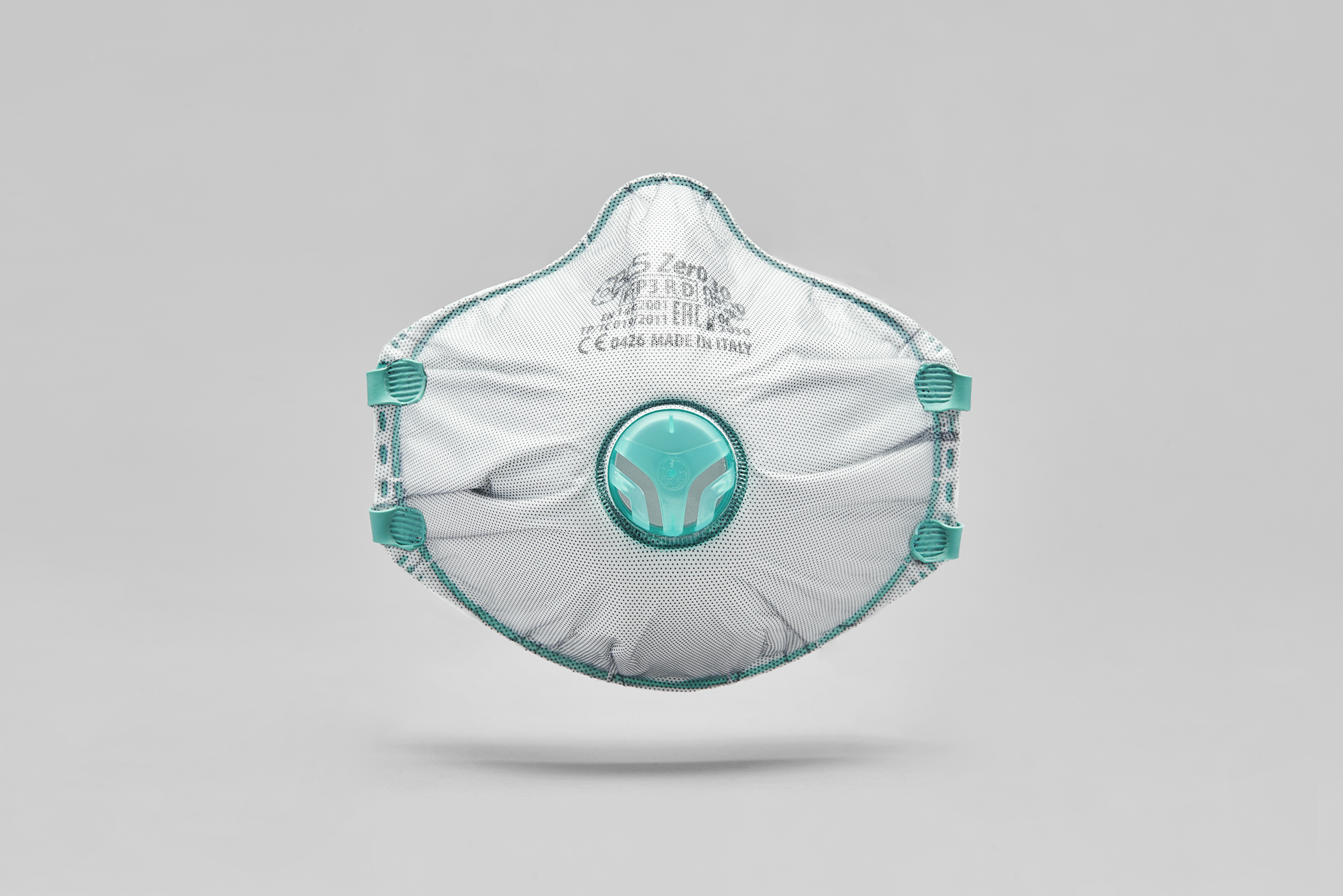
Specific safety measures for the respiratory tract should therefore be evaluated and risk assessment should take into account the emergence of new risk situations. For example, in recent years, cases of silicosis, even with a short latency onset (acute silicosis), have been reported in the literature. Experience suggests the usefulness of dust suppression and wet processing, in addition to the systematic use of PPE appropriate to the level of risk (FFP3 masks).

BLS has a wide range of products to protect against the pollutants produced by these processes.
Recommended products:
Stay informed
Stay safe.