Подпишитесь на нашу рассылку, чтобы быть в курсе последних событий
Нажмите здесь
  • BLS

Activated carbon

Activated carbon: quality filtration performance


The quality of the filters used by BLS for the filtration of gases and vapours meets high safety standards and guarantees excellent filtration performance.


What is activated carbon?

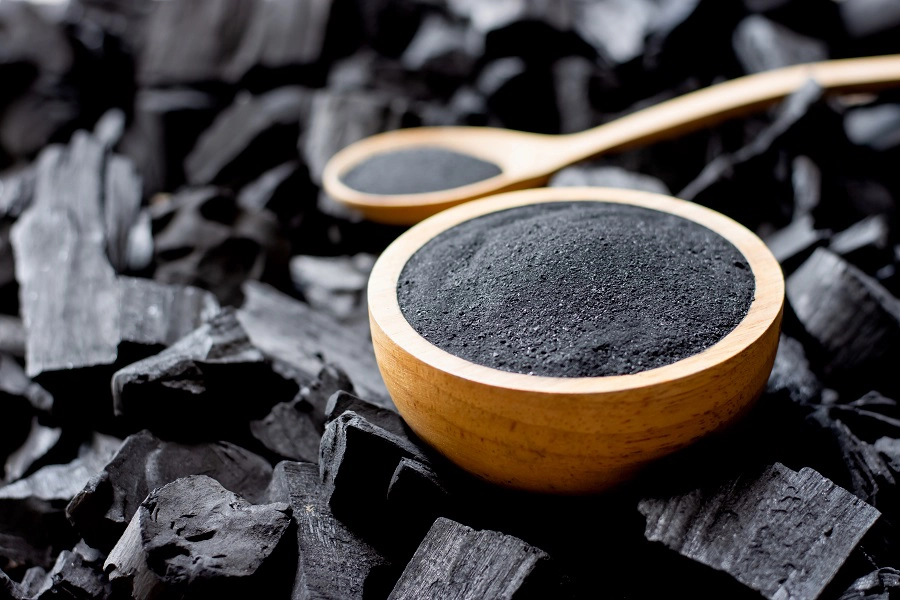
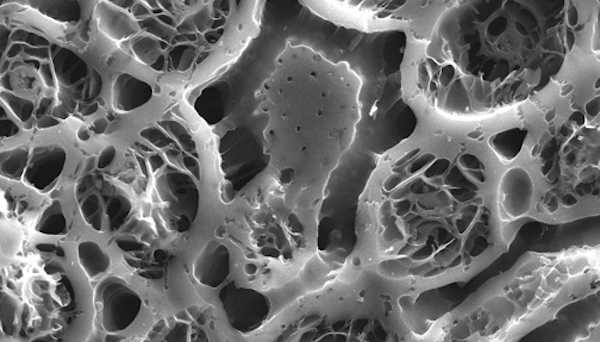
Activated carbon is a material with high adsorptive capacity, composed mainly of amorphous carbon and characterised by a highly porous structure and high specific area (500 to 2500 m²/g). One gram of activated carbon has a surface area equivalent to that of a football pitch. Due to this large specific area, activated carbon can hold many molecules of other substances on its large inner surface area.

In the phenomenon of adsorption, chemical species (molecules, atoms or ions) establish a chemical-physical interaction on the separation surface between two different phases. The adsorption power of activated charcoal is assessed according to specific indices, such as the benzene index, the molasses index (indicating the ability of charcoal to adsorb high molecular weight substances), the iodine index (indicating the ability of charcoal to adsorb high molecular weight inorganic compounds) and the methylene blue index (indicating the activity of the charcoal, with particular reference to its microporosity).

Activated carbon comes in different forms:

- Granular Activated Carbon (GAC - Granular Activated Carbon): made up of particles comparable in size to sand (approx. 0.8 mm), it is used when a material with larger pores and a smaller specific surface area is required.
- Powdered Activated Carbon (PAC - Powdered Activated Carbon): made up of smaller particles, it is used when an activated carbon with smaller pores and a larger specific surface area is required.
- Extruded Activated Carbon (EAC - Extruded Activated Carbon): made up of extruded small cylinders, it is used for the treatment of gaseous emissions (e.g. in solvent recovery plants, VOCs), where low pressure drops are required.

Activated carbon can be produced from various organic substances with a high carbon content, such as wood, charcoal, peat and coconuts.

What is it for?

Activated carbon is therefore used in the filtration, purification, deodorisation and decolourisation of fluids. Under the microscope, it can be observed that activated charcoal is composed of a network of tunnels that gradually narrow, allowing pollutants in the air to be captured.

The use of activated charcoal in respiratory protective equipment is essential to control toxic gases and vapours as well as unpleasant odours, allowing users to breathe clean air during operation.

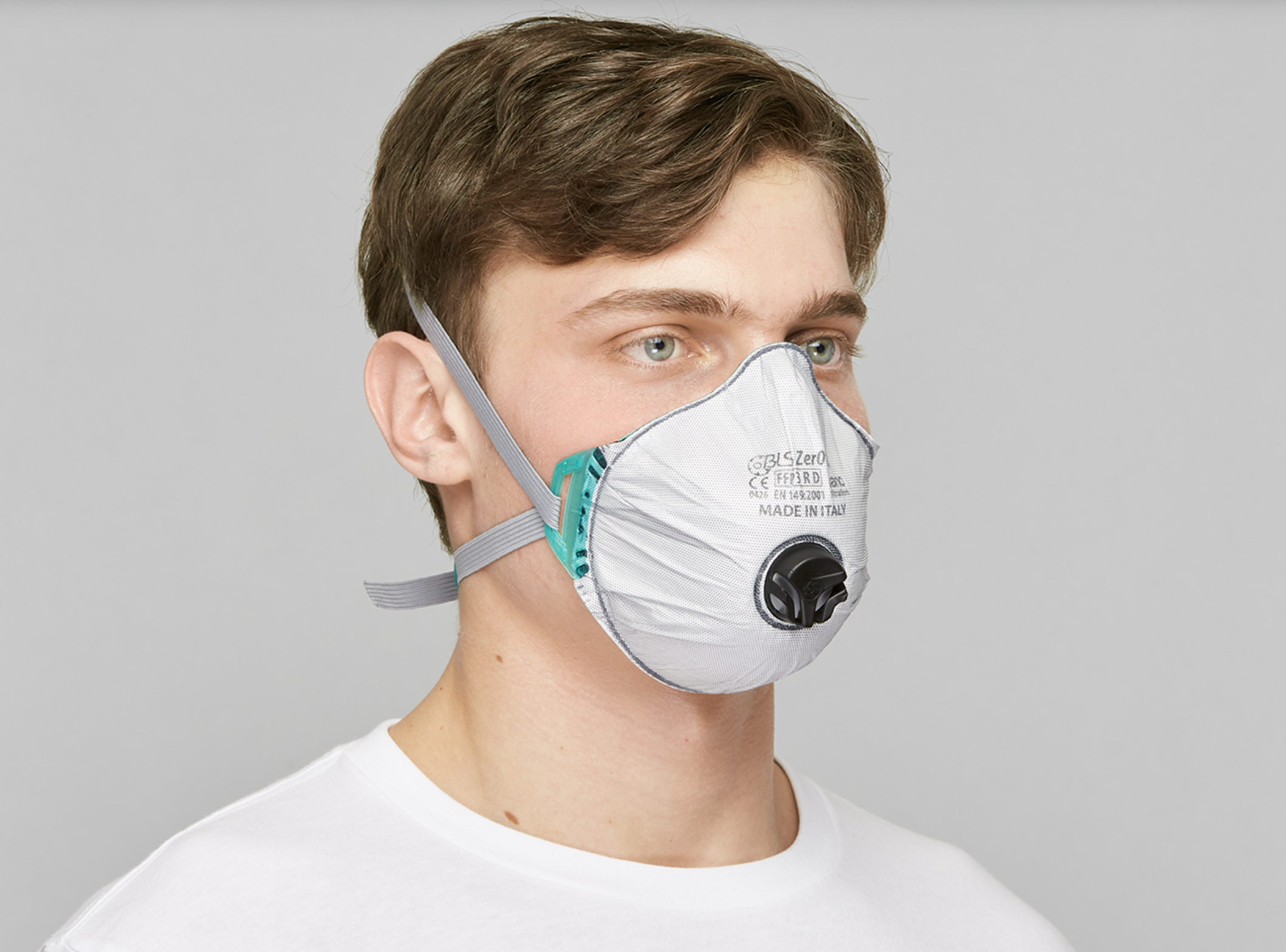
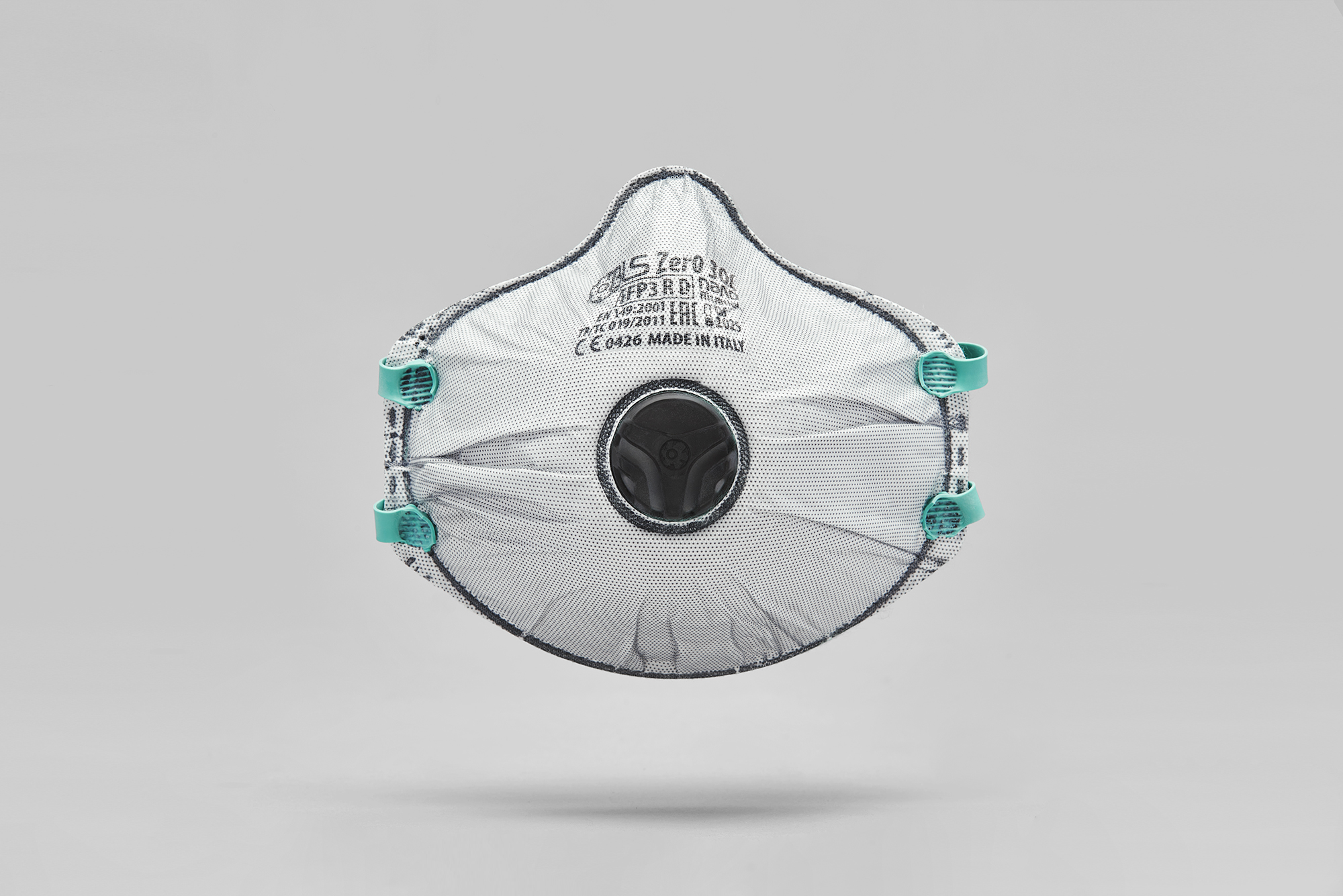
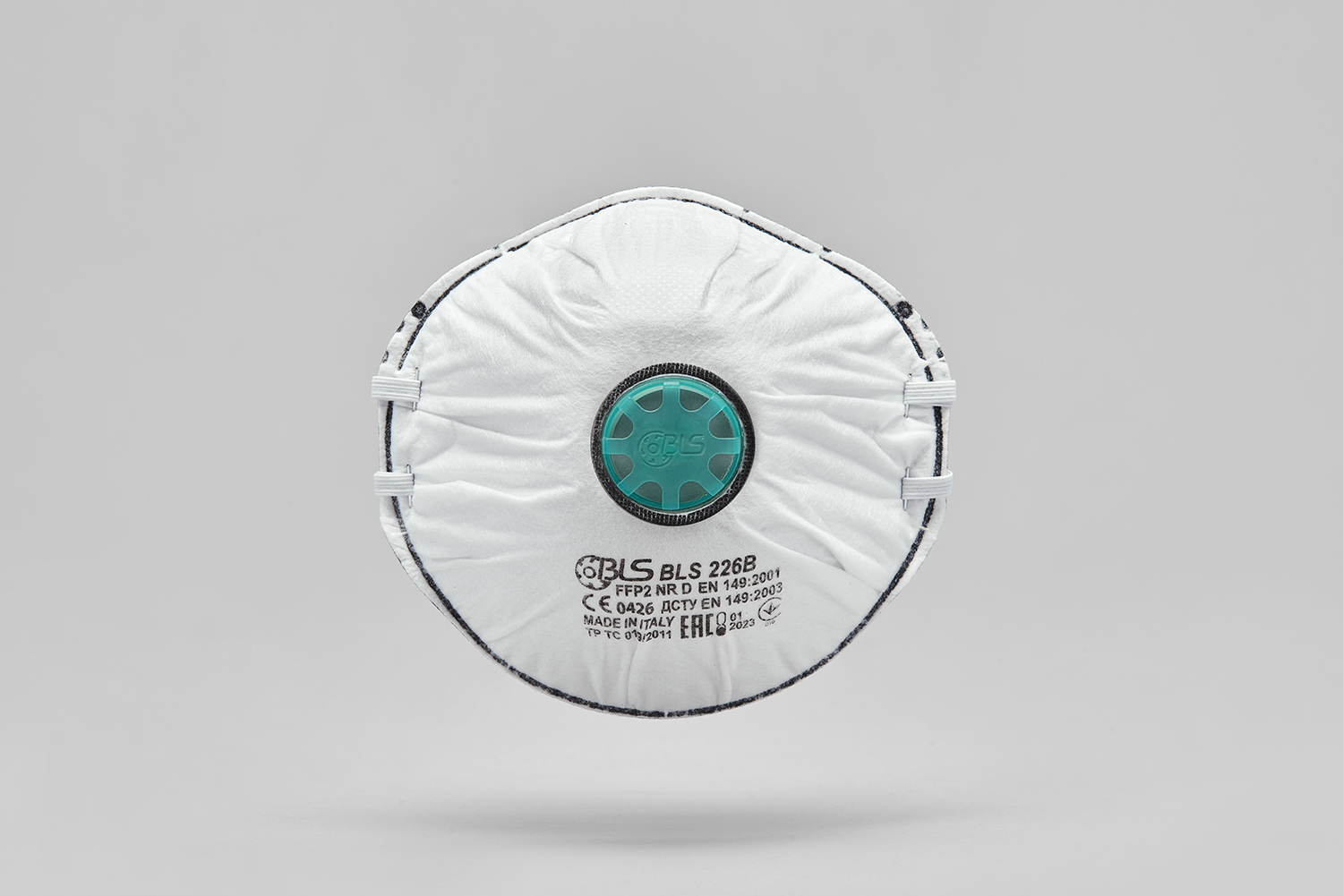
In addition to the filters of reusable masks, some models of BLS disposable masks integrate a layer of activated charcoal along with the filter material. This treatment allows the products to absorb unpleasant odours, increasing protection and comfort during use. One example is the BLS Zer0 30 C filtering face mask.

BLS products available with activated charcoal

So let's find out which BLS products have activated carbon and what their advantages are.

Disposable masks

A layer of fabric impregnated with activated charcoal can be added to the filter materials of disposable masks. This special layer acts by blocking unpleasant odours. Activated carbon models protect against acidic, organic and ozone gases/vapours below the substance-specific Threshold Limit Value (TLV). This specification is present in the following series:


BLS Zer0 series: in the BLS Zer0 30 C, BLS Zer0 31 C and BLS Zer0 32 C models


BLS Zer0 Flat: in the BLS Zer0 33 C model (soon to be available)


BLS Classic: in the BLS 226B model


Reusable devices

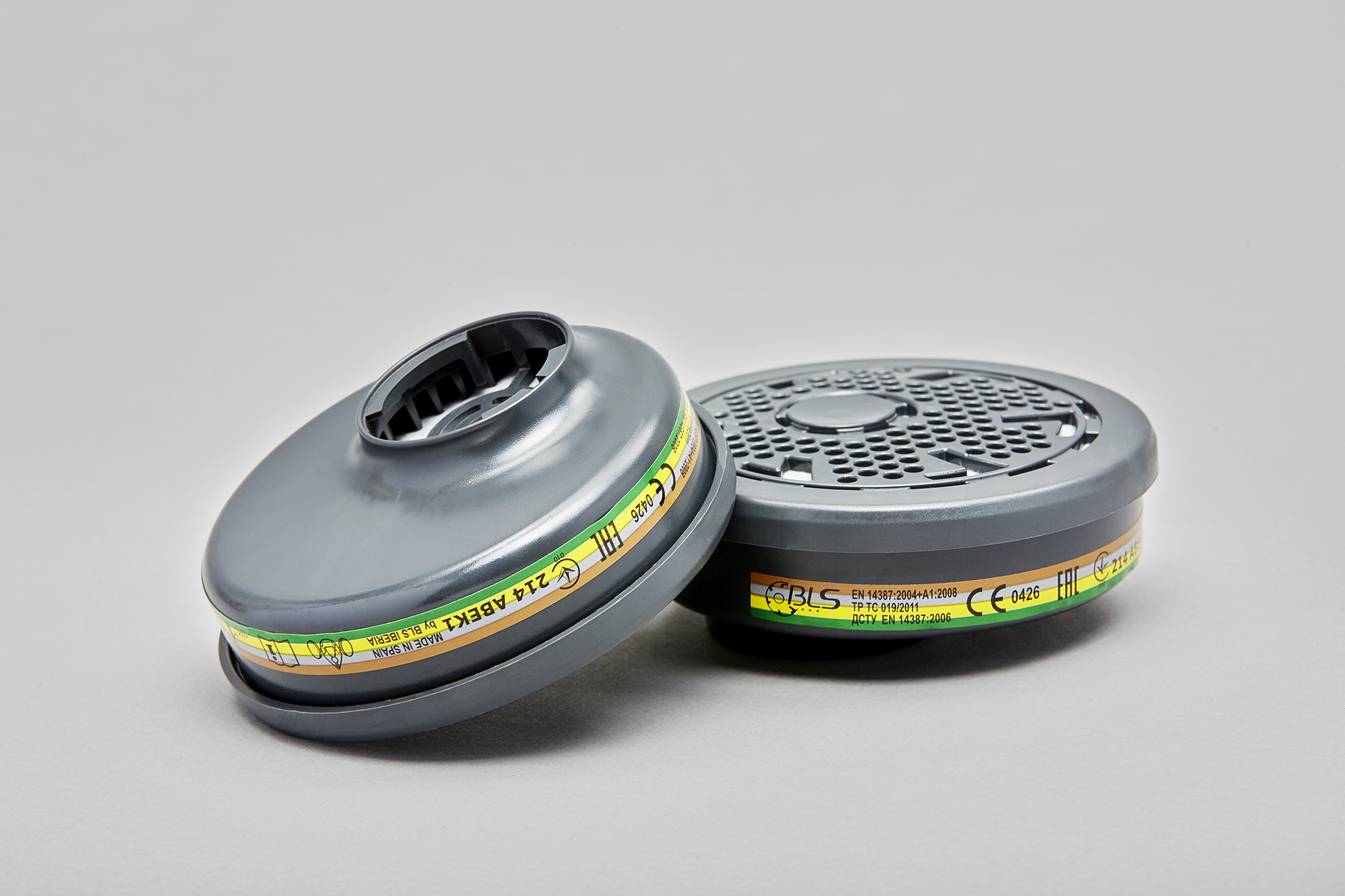
The quality of activated carbon used by BLS for gas and vapour filtration meets high safety standards and guarantees excellent filtration performance. They are manufactured without using toxic additives, such as Hexavalent Chromium (CR VI). They are available in the following series:

Serie BLS 8000 next: new models BLS 8100 next, BLS 8400 next, BLS 8600 next


BLS 200 b-lock series filters compatible with the BLS 4000 next and the BLS 5000 b-lock series


Filters of the BLS 201 b-lock in the BLS 201-3C P3 R series compatible with the BLS 4000 next and the BLS 5000 b-lock series


Stay informed
Stay safe.


Предыдущая
Occupational Safety
Следующий
Focus | Active Shield

Статьи по Теме

Ноябрь 15, 2021 BLS Webinar

Segui i nostri prossimi appuntamenti webinar! Di seguito i dettagli del prossimo webinar tenuto da BLS Iberia, in collaborazione con Formación en Seguridad Laboral, che tratterà le differenze tra i diversi DPI e l'importanza del Fit-Test.   Mercoledì 17 novembre, ore 16.30-17.30 Il futuro della protezione respiratoria e l'importanza del Fit-test Vogliamo aiutarvi a misurare […]

Link
Сентябрь 20, 2021 BLS loves Art 2021

  NECESSE  SMOE, che ha portato la cultura hip-hop sui muri delle grandi metropoli, ha recentemente realizzato a Milano NECESSE, un murale di 1300 metri quadri che rappresenta il tributo alle figure che sono state al centro del cambiamento della società durante questi ultimi anni: la gente comune, gli umili, i semplici, i lavoratori. L'opera raccoglie un’umanità in cambiamento, […]

Link
Февраль 9, 2024 February events | What's next

Scopri gli eventi BLS di questo mese

24-27 ottobre
A+A 2023
Düsseldorf, Germania
stand n. 9B32

Link

Подпишитесь на рассылку новостей

Получайте информацию о наших мероприятиях, новых изделиях, каталогах и предстоящих мероприятиях.
Подписаться

Свяжитесь с нами

Обращайтесь к нам с любыми вопросами, мы ответим в течение 48 часов.

Запросить информацию

Загрузите бесплатное руководство по безопасности

Каждый сектор нуждается в правильной защите. Узнайте больше, скачав наше бесплатное руководство по безопасности.
Scarica
crossmenuchevron-downcross-circle