Abonneer je op onze nieuwsbrief om op de hoogte te blijven
Klik hier
  • BLS

Activated carbon

Activated carbon: quality filtration performance


The quality of the filters used by BLS for the filtration of gases and vapours meets high safety standards and guarantees excellent filtration performance.


What is activated carbon?

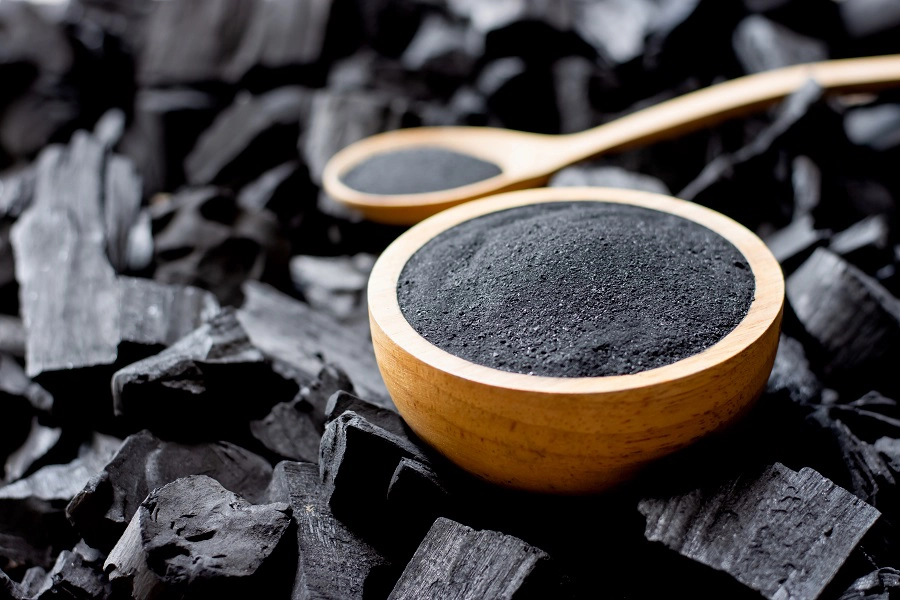
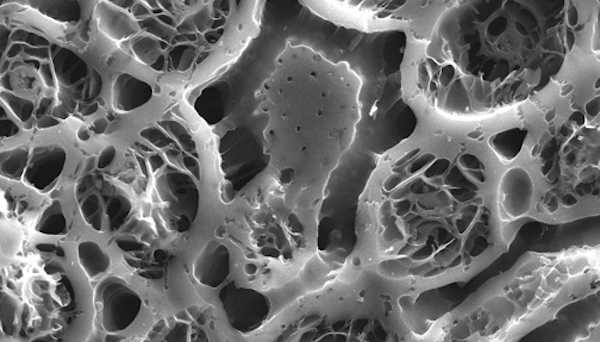
Activated carbon is a material with high adsorptive capacity, composed mainly of amorphous carbon and characterised by a highly porous structure and high specific area (500 to 2500 m²/g). One gram of activated carbon has a surface area equivalent to that of a football pitch. Due to this large specific area, activated carbon can hold many molecules of other substances on its large inner surface area.

In the phenomenon of adsorption, chemical species (molecules, atoms or ions) establish a chemical-physical interaction on the separation surface between two different phases. The adsorption power of activated charcoal is assessed according to specific indices, such as the benzene index, the molasses index (indicating the ability of charcoal to adsorb high molecular weight substances), the iodine index (indicating the ability of charcoal to adsorb high molecular weight inorganic compounds) and the methylene blue index (indicating the activity of the charcoal, with particular reference to its microporosity).

Activated carbon comes in different forms:

- Granular Activated Carbon (GAC - Granular Activated Carbon): made up of particles comparable in size to sand (approx. 0.8 mm), it is used when a material with larger pores and a smaller specific surface area is required.
- Powdered Activated Carbon (PAC - Powdered Activated Carbon): made up of smaller particles, it is used when an activated carbon with smaller pores and a larger specific surface area is required.
- Extruded Activated Carbon (EAC - Extruded Activated Carbon): made up of extruded small cylinders, it is used for the treatment of gaseous emissions (e.g. in solvent recovery plants, VOCs), where low pressure drops are required.

Activated carbon can be produced from various organic substances with a high carbon content, such as wood, charcoal, peat and coconuts.

What is it for?

Activated carbon is therefore used in the filtration, purification, deodorisation and decolourisation of fluids. Under the microscope, it can be observed that activated charcoal is composed of a network of tunnels that gradually narrow, allowing pollutants in the air to be captured.

The use of activated charcoal in respiratory protective equipment is essential to control toxic gases and vapours as well as unpleasant odours, allowing users to breathe clean air during operation.

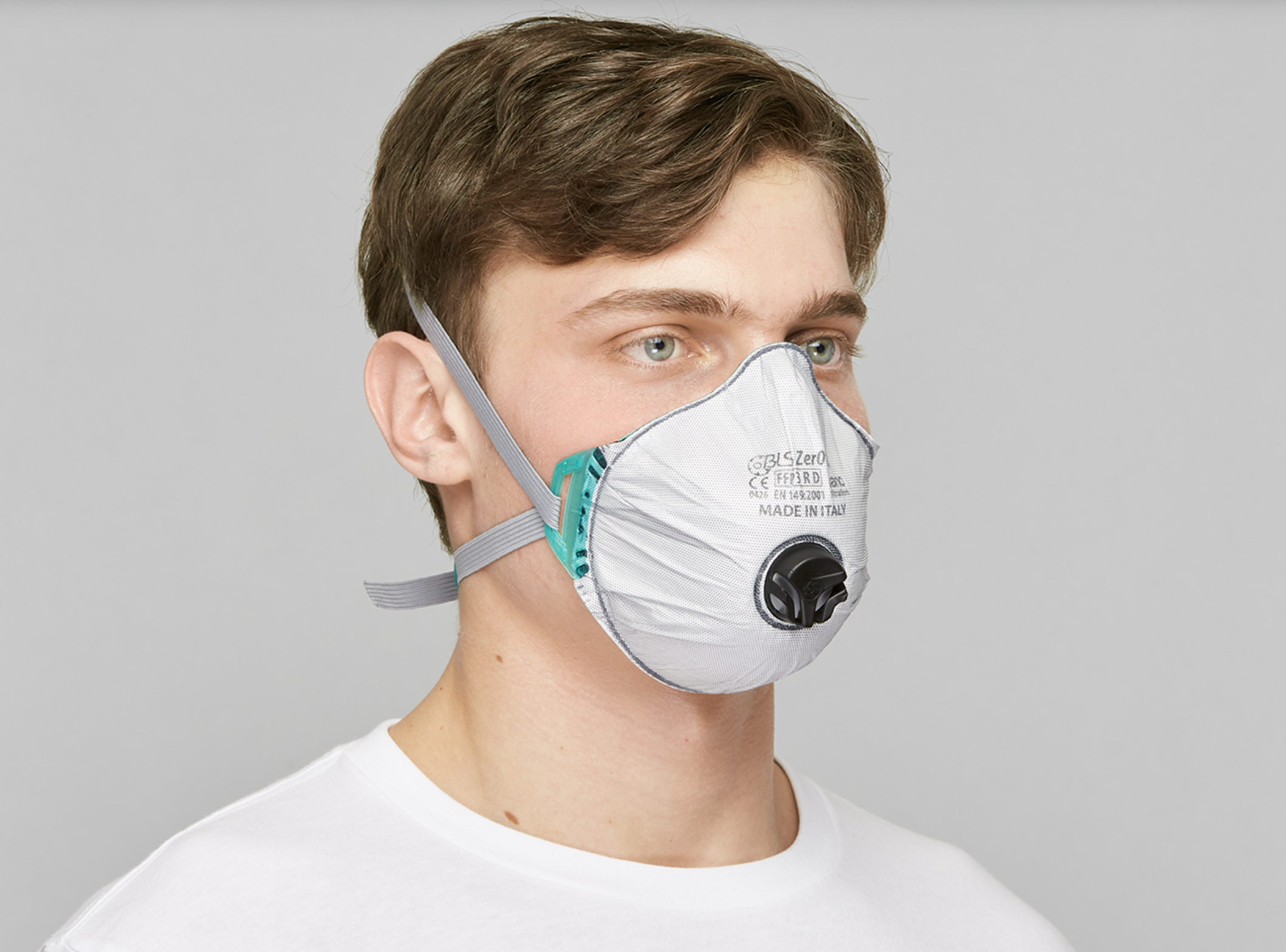
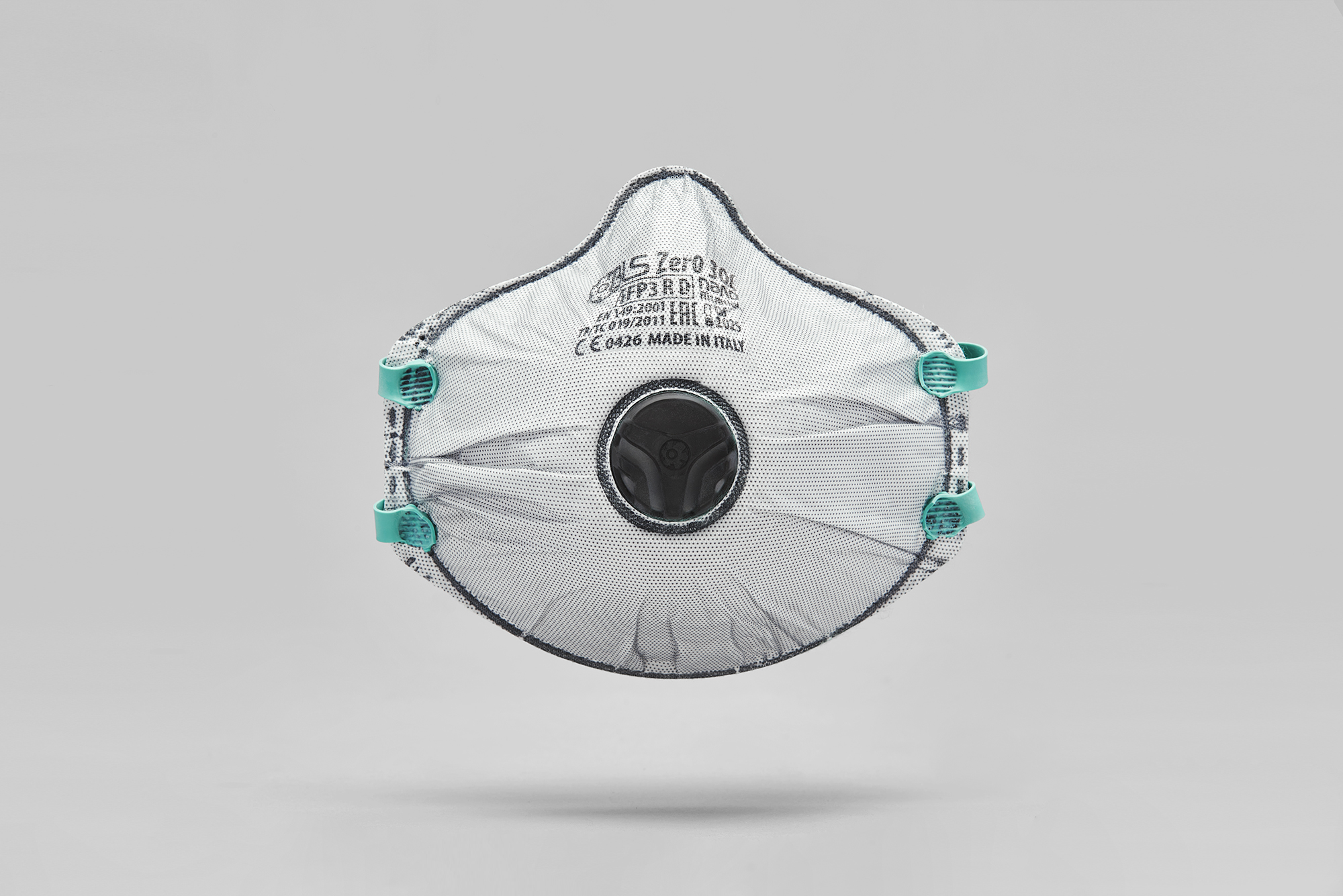
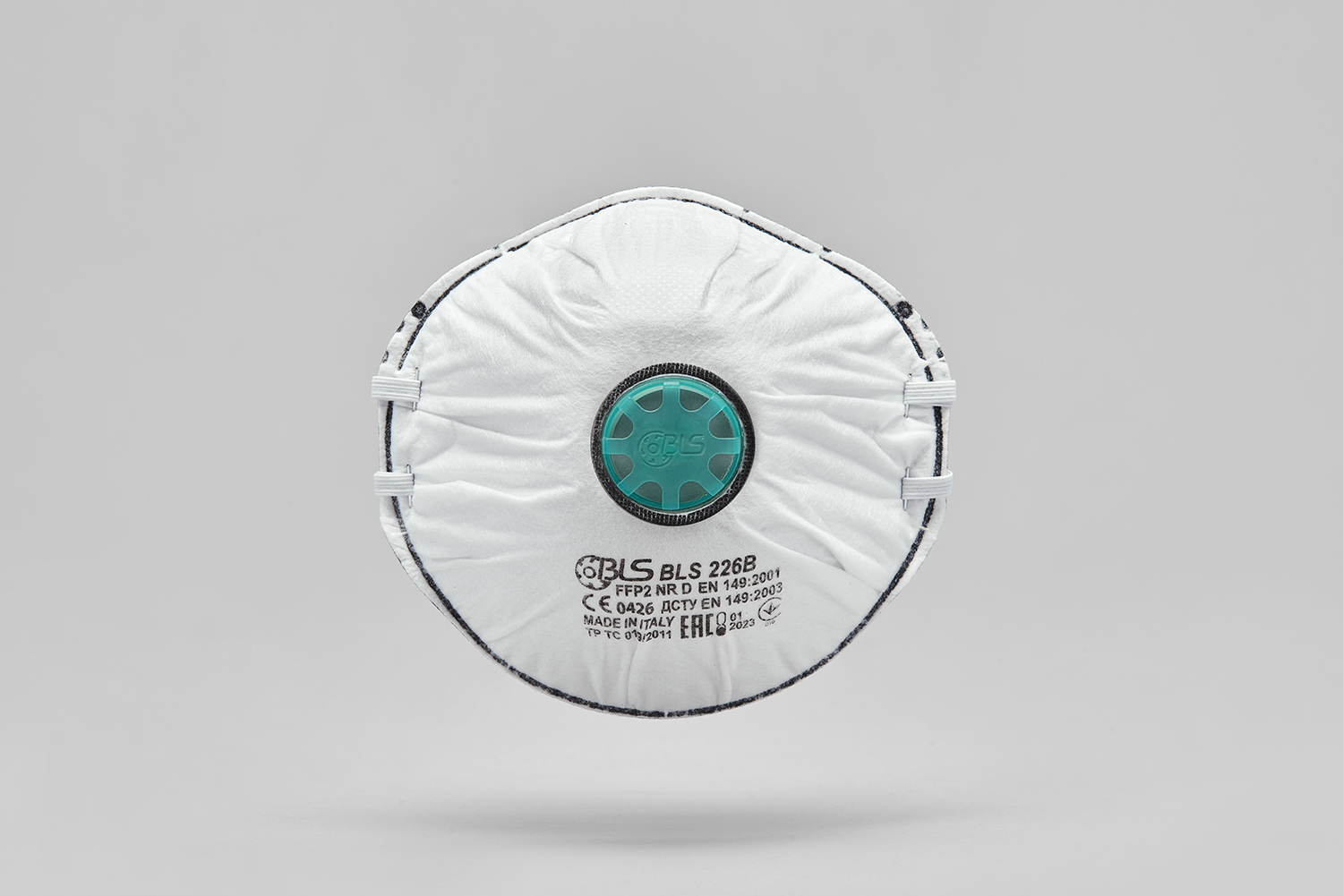
In addition to the filters of reusable masks, some models of BLS disposable masks integrate a layer of activated charcoal along with the filter material. This treatment allows the products to absorb unpleasant odours, increasing protection and comfort during use. One example is the BLS Zer0 30 C filtering face mask.

BLS products available with activated charcoal

So let's find out which BLS products have activated carbon and what their advantages are.

Disposable masks

A layer of fabric impregnated with activated charcoal can be added to the filter materials of disposable masks. This special layer acts by blocking unpleasant odours. Activated carbon models protect against acidic, organic and ozone gases/vapours below the substance-specific Threshold Limit Value (TLV). This specification is present in the following series:


BLS Zer0 series: in the BLS Zer0 30 C, BLS Zer0 31 C and BLS Zer0 32 C models


BLS Zer0 Flat: in the BLS Zer0 33 C model (soon to be available)


BLS Classic: in the BLS 226B model


Reusable devices

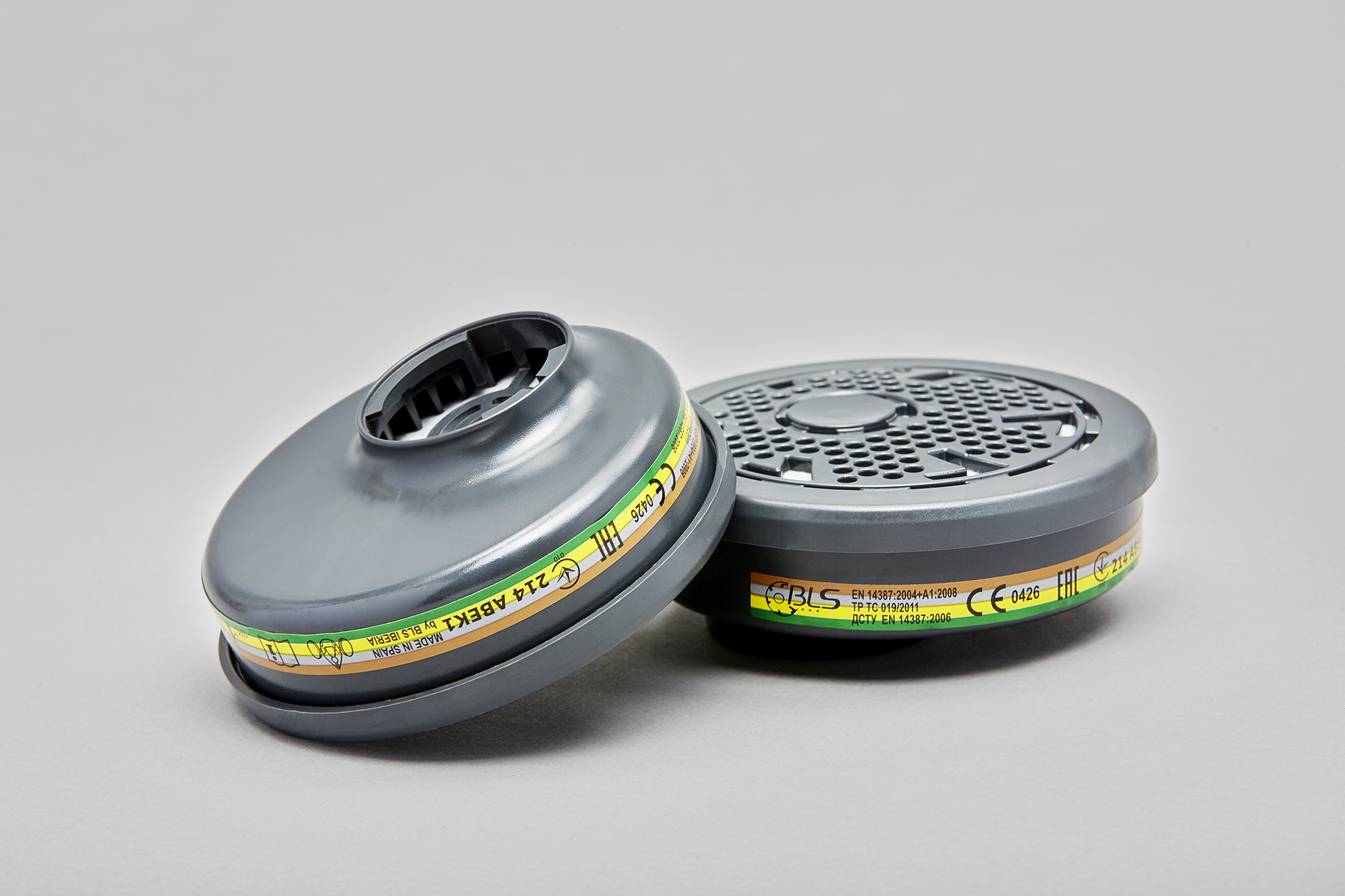
The quality of activated carbon used by BLS for gas and vapour filtration meets high safety standards and guarantees excellent filtration performance. They are manufactured without using toxic additives, such as Hexavalent Chromium (CR VI). They are available in the following series:

Serie BLS 8000 next: new models BLS 8100 next, BLS 8400 next, BLS 8600 next


BLS 200 b-lock series filters compatible with the BLS 4000 next and the BLS 5000 b-lock series


Filters of the BLS 201 b-lock in the BLS 201-3C P3 R series compatible with the BLS 4000 next and the BLS 5000 b-lock series


Stay informed
Stay safe.


Gerelateerde artikelen

april 12, 2022 Health risk work sectors | Welding

Rischi sanitari della saldatura Il settore lavorativo della Saldatura è uno di quelli considerati a rischio di conseguenze per la salute dei lavoratori. Durante le operazioni di saldatura infatti vengono rilasciate alcune componenti pericolose, come gas, polveri e fumi, energia radiante e altri fattori di rischio.   Per le vie respiratorie, l’inalazione di sostanze tossiche […]

Link
maart 12, 2024 Safety guide: Pest control deratization sector

BLS Safety Guide: Disinfestazione Guida realizzata dalla monografia redatta dal Dott. Antonio Moffa, dalla Dott.ssa Claudia Beccaria e dall’Ing. Lucrezia Giorgi dell’Unità di Terapie Integrate in Otorinolaringoiatria della Fondazione Policlinico Universitario Campus Bio-Medico di Roma.   Il D.M. 7 luglio 1997, n. 274 distingue tra attività di pulizia, disinfezione, disinfestazione, derattizzazione e sanificazione e indica […]

Link
april 3, 2025 The Health and Safety Event 2025

BLS è all'Health and Safety Event Birmingham (UK), 8-10 aprile  2024 BLS è al NEC di Birmingham per partecipare al principale evento The Health & Safety event del Regno Unito dedicato al miglioramento degli standard di salute e sicurezza sul lavoro. Vieni a trovarci. Siamo allo stand 3/H30.   La fiera L'Health & Safety Event è […]

Link

Abonneer op onze nieuwsbrief

Ontvang updates over onze evenementen, nieuws, catalogus en aankomende initiatieven.
Abonneren

Neem contact op

Laat uw bericht achter, wij antwoorden binnen 48 uur.

Vraag informatie aan

Download de gratis veiligheidsgids

Elke sector heeft de juiste bescherming nodig. Download onze gratis veiligheidsgids voor meer informatie.
Scarica
crossmenuchevron-downcross-circle