BLS Safety Guide: Asbestos
A guide written by Dr. Antonio Moffa, Dr. Claudia Beccaria and Lucrezia Giorgi of the Unit of Integrated Therapies in Otolaryngology at the University Polyclinic Campus Bio-Medical Foundation in Rome.
In the five-year period 2016-2020, an average of about 1,500 workers per year were recognised as having an asbestos-related disease. In the same years, around 50% of workers who contracted asbestos-related diseases suffered a permanent impairment of no more than 25%, while 37% of technopaths died as a result of the occupational disease. Specifically in 2016, the proportion of workers with an impairment of no more than 25 per cent remained almost unchanged, but those with a fatal outcome rose to 43 per cent.

The use of asbestos was banned in Italy in 1992 with Law No. 257, which set the terms and procedures for the cessation of all activities involving the processing and extraction of this mineral. After this date, the only permitted work activities involving exposure to asbestos are its clearance, removal and disposal.
The IARC (International Agency for Research on Cancer) has classified asbestos as a human carcinogen (Group 1).
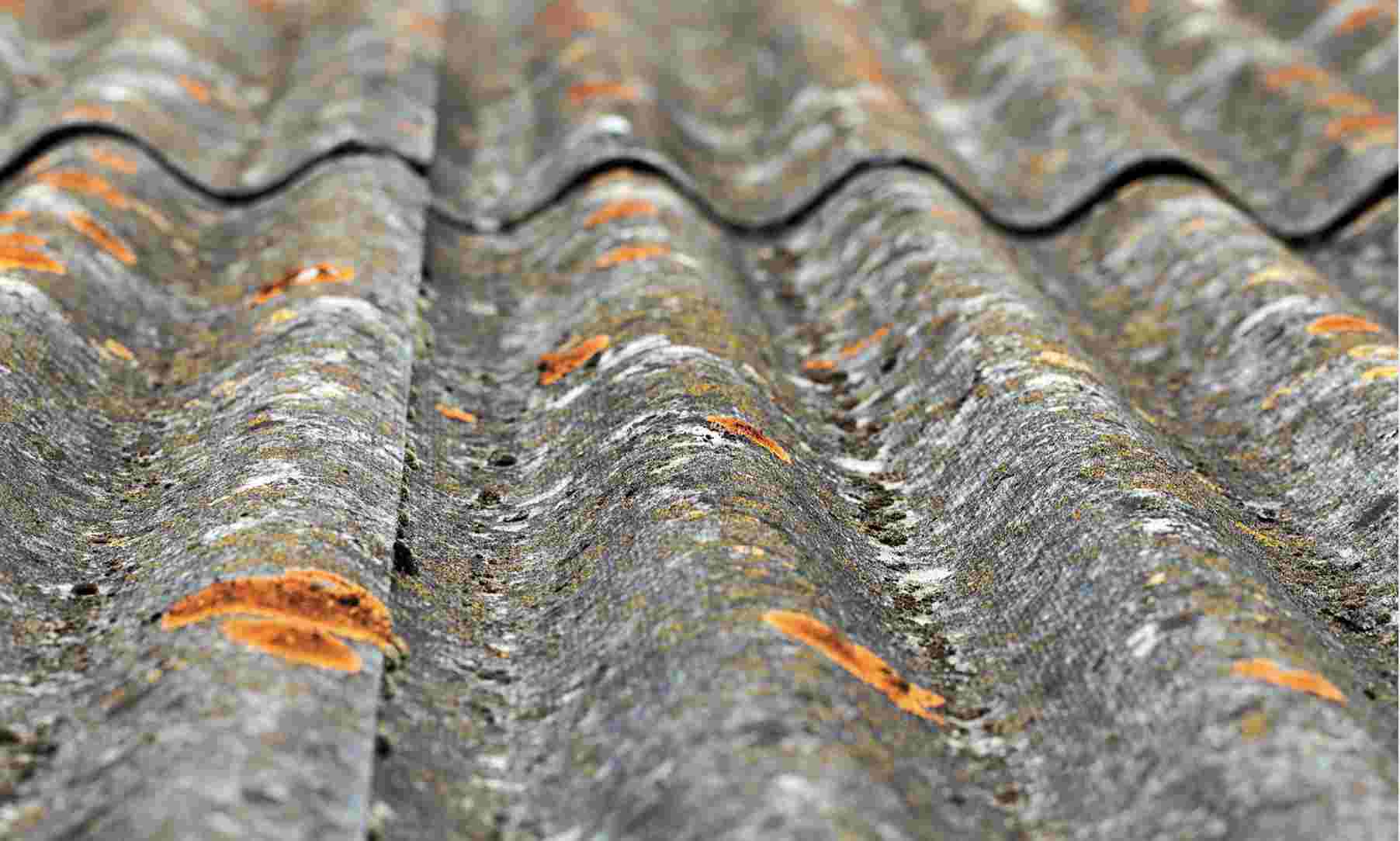
The danger of asbestos derives from the degree of fibre freedom, i.e. the ability of asbestos-containing materials to release potentially inhalable fibres into the air. Since asbestos is a friable and fibrous material, it is easy for very small particles to be released into the air as a result of any type of stress (processing and handling, vibrations, infiltration of humidity), which, once inhaled, are capable of being deposited in the pulmonary alveoli, bronchi and pleura, causing irreversible tissue damage and the onset of pulmonary diseases. Moreover, as there is no risk threshold below which the concentration of asbestos fibres in the air is not dangerous, it follows that the inhalation of even a single fibre can cause fatal pathologies; clearly, prolonged exposure over time or to high quantities will exponentially increase the likelihood of contracting such pathologies.
The European Commission has recently approved an exposure limit value (or TLV) 10 times lower than the previous one (0.1 fibres/cm3), i.e. 0.01 fibres/cm3, for an 8-hour exposure reference. The harmful effects that occur following the inhalation of asbestos particles are derived from pathogenic mechanisms of an irritative, degenerative and carcinogenic nature and can lead to the onset of various diseases.
The pathologies resulting from breathing in asbestos fibres are all characterised by a long interval between the start of exposure and the appearance of the first symptoms of the disease: this interval, termed 'latency time', can generally last up to decades.
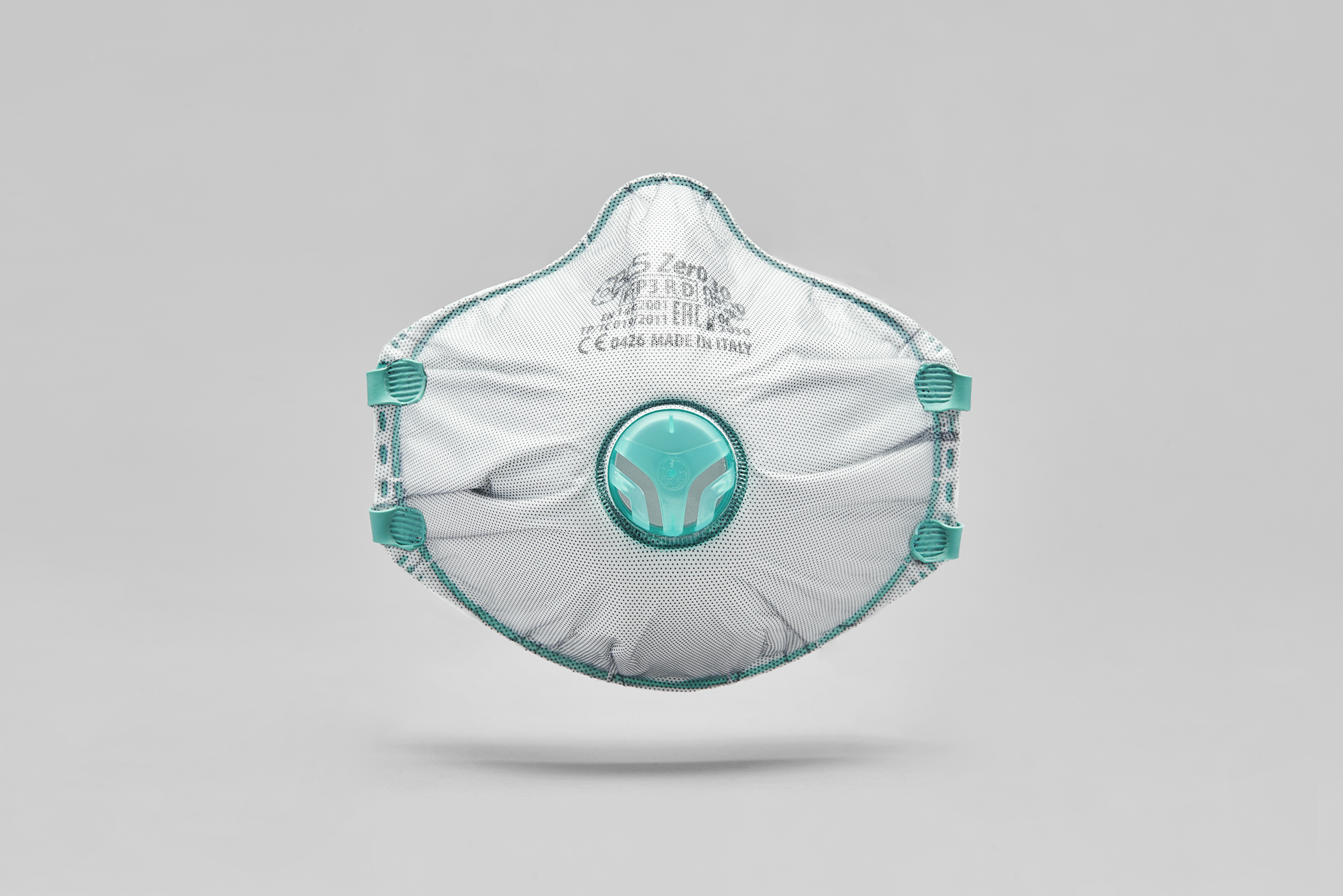
From these pathologies related to exposure to asbestos derives the importance of worker protection, which must be on several fronts: the worker must be equipped with personal respiratory protective equipment with an operational protection factor that ensures that the filtered air inside the PPE is no more than 1/10 of the limit value. The use of PPE must also be interspersed with rest periods appropriate to the physical effort required by the work, and the employer must carry out periodic measurements of the concentration of fibres in the air, reporting the results in the DVR (Risk Assessment Document).

Recommended products:
Stay informed
Stay safe.