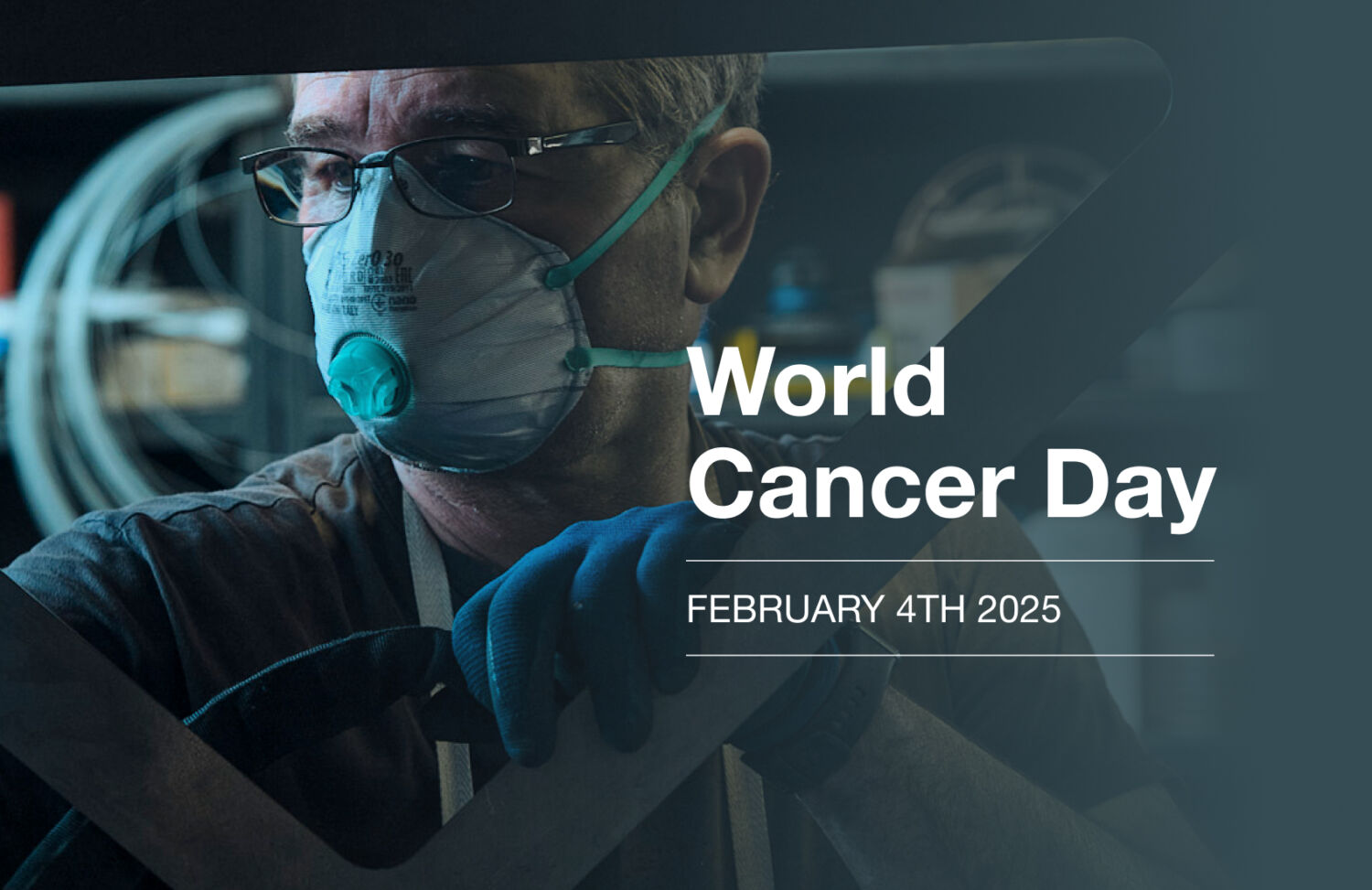
World cancer day
February 4th 2025
On World Cancer Day, it is crucial to focus on occupational cancers caused by exposure to hazardous substances in the workplace. These conditions account for a significant percentage of work-related cancer cases and can be prevented through proper risk management and the adoption of adequate preventive measures.

Main Occupational Carcinogens
Many substances present in the workplace are recognized as carcinogenic. The most common include:
- Asbestos: Previously used in various industrial sectors, asbestos is now known for its high toxicity. Inhaling its fibers can cause severe lung diseases, including pleural mesothelioma.
- Welding fumes: Welding operations release gases, dust, and fumes containing metals such as aluminum, cadmium, and iron. Inhaling these substances can pose both acute and chronic respiratory health risks.
- Chemical substances: Exposure to benzene, formaldehyde, and respirable crystalline silica is common in various industries and has been linked to the development of occupational cancers.
High-Risk Work Sectors
Certain industries pose a higher risk of exposure to carcinogenic substances:
- Construction: Workers may be exposed to asbestos during demolition or renovation activities.
- Manufacturing industry: Production processes involving hazardous chemicals can significantly expose workers to risks.
- Healthcare sector: The use of antineoplastic drugs and other hazardous substances can pose risks to healthcare personnel.
Prevention and Protection Measures
To reduce the risk of occupational cancers, it is essential to implement effective preventive measures:
- Risk assessment: Conduct a thorough assessment of workplace hazards, considering the nature of work, exposure duration and frequency, and the quantities of carcinogenic agents used.
- Training and information: Provide workers with proper training on the risks associated with hazardous substances and safe operational procedures.
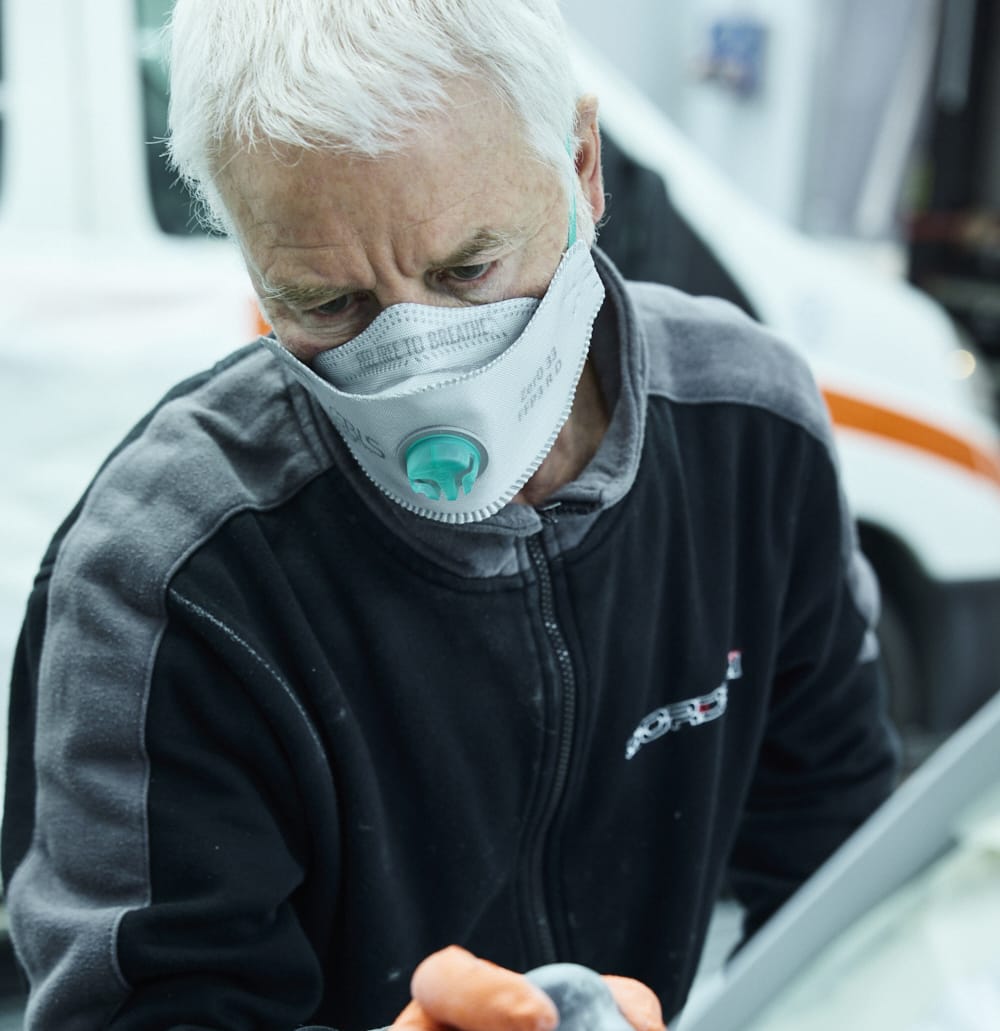
- Use of Personal Protective Equipment (PPE): Equip workers with appropriate PPE, such as respirators, gloves, and protective clothing, based on the type of exposure.
- Environmental and biological monitoring: Implement monitoring programs to assess the effectiveness of control measures and ensure exposure levels remain below permissible limits.
Preventing occupational cancers requires a joint commitment from employers, workers, and institutions. Through proper risk management, the adoption of adequate preventive measures, and a strong workplace safety culture, it is possible to significantly reduce the incidence of these diseases and ensure a safer working environment for all.
For a more detailed guide to prevention in the various work sectors download our safety guide.
Stay informed
Stay safe.