Scopri gli eventi BLS di questo mese
24-27 ottobre
A+A 2023
Düsseldorf, Germania
stand n. 9B32



The use of TPEs in respiratory protective masks ensures a high level of comfort and adaptability due to their ability to conform to different face types. In addition, the recyclability and ease of processing of TPEs make them an excellent choice for the sustainable and efficient production of PPE.
Thermoplastic elastomers (TPEs), also known as thermoplastic rubbers (TPRs), represent a versatile class of copolymers or physical blends of polymers, usually consisting of a combination of plastic and rubber. These materials offer a unique combination of thermoplastic and elastomeric properties, making them ideal for numerous industrial applications, including the manufacture of personal protective equipment (PPE) for the respiratory tract, such as masks.
TPE is made by mixing hard thermoplastics, such as polypropylene (PP), polybutylene terephthalate (PBT) and polyamide (PA or Nylon), with soft, rubbery materials. There are different approaches for the preparation of TPE, including:
- Block copolymers
- Rubber/plastic blends
- Dynamically vulcanised plastic alloys, known as thermoplastic vulcanisations
Unlike most elastomers, which are thermosets and thus more difficult to process, thermoplastics are relatively easy to process, e.g. by injection moulding. This makes TPEs extremely versatile and suitable for numerous production processes.
The main difference between thermosetting and thermoplastic elastomers lies in the type of cross-linking in their structures. Cross-linking is a critical structural factor that confers highelastic properties. TPEs are generally low modulus flexible materials that can be repeatedly stretched to twice their original length at room temperature, with the ability to return to their original length when stress is released.

TPEs offer significant advantages in terms of recyclability and optimisation of conventional manufacturing processes such as injection moulding, extrusion, thermoforming and blow moulding. Compared to thermoset elastomers, TPEs are easier to process and require less energy, making the production process more sustainable.
TPEs are in fact 100% recyclable and potentially infinitely reusable, offering a simpler and faster production process with less environmental impact.
Another of the main advantages of TPEs is their ability to stretch to moderate extensions and return almost to their original shape, providing longer life and better physical resistance than other materials. Furthermore, TPEs can be heated above the melt transition temperature and reprocessed, which facilitates their recycling and reuse.

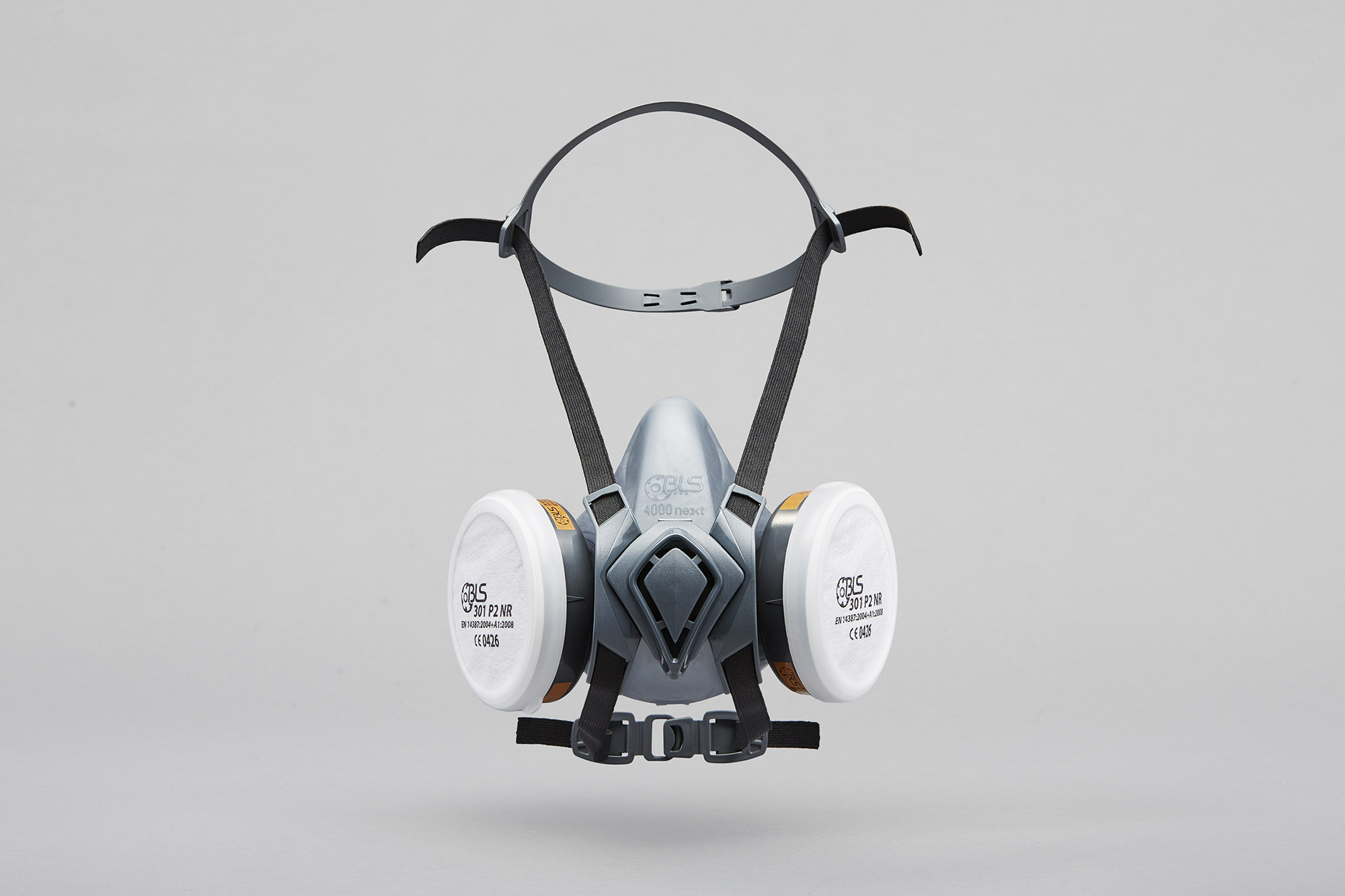
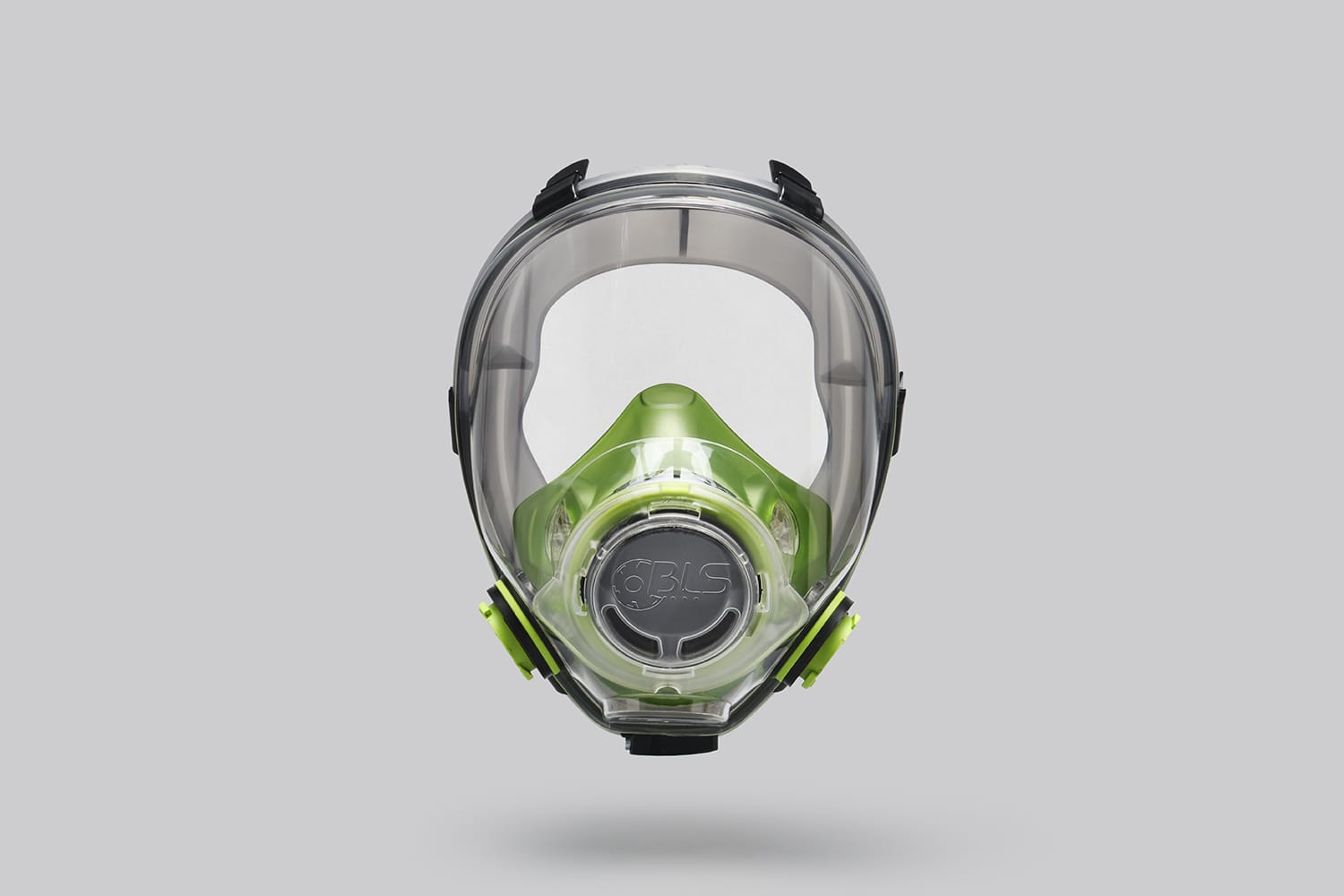
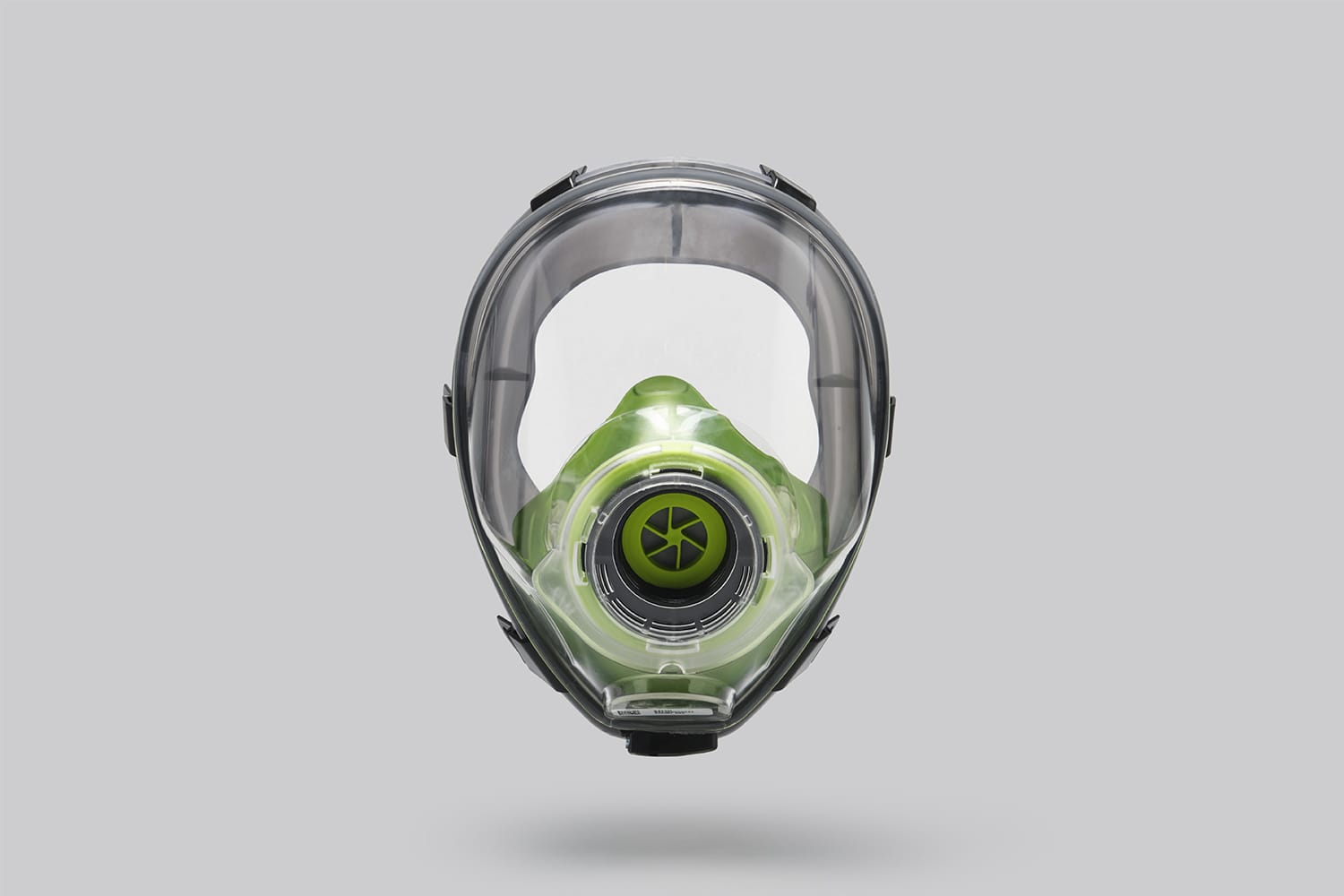
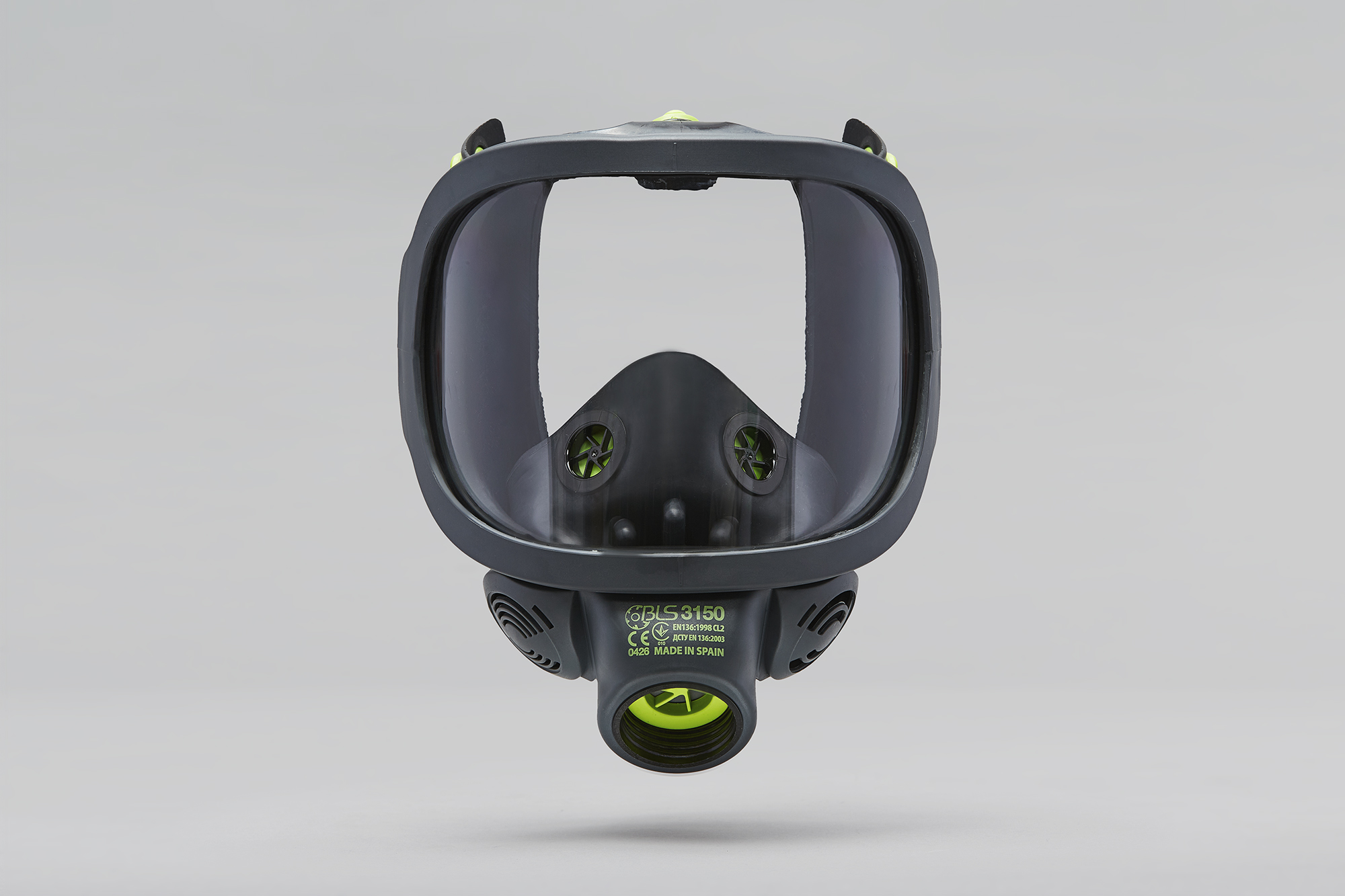
BLS uses TPE for the face seals of many of its reusable products, which require high standards of respiratory protection and resistance to extreme environmental conditions. The choice of TPE is also motivated by its excellent elastic properties and ease of processing.
Below are the BLS products made of TPE:

Scopri gli eventi BLS di questo mese
24-27 ottobre
A+A 2023
Düsseldorf, Germania
stand n. 9B32

Dal 21 aprile 2018 è in vigore il nuovo Regolamento UE 2016/425 sostituisce la precedente Direttiva 89/686/CEE e stabilisce i requisiti per la progettazione e la fabbricazione dei dispositivi di protezione individuale (DPI). Cosa cambia La differenza principale è legata al fatto che vengono definite in modo chiaro e dettagliato le responsabilità che deve assumere […]
BLS Safety Guide: Amianto Guida realizzata dalla monografia redatta dal Dott. Antonio Moffa, dalla Dott.ssa Claudia Beccaria e dall’Ing. Lucrezia Giorgi dell’Unità di Terapie Integrate in Otorinolaringoiatria della Fondazione Policlinico Universitario Campus Bio-Medico di Roma. Nel quinquennio 2016-2020 sono stati mediamente circa 1.500 l’anno i lavoratori a cui è stata riconosciuta una malattia asbesto-correlata. […]