What do we know about pathogenic bacteria?
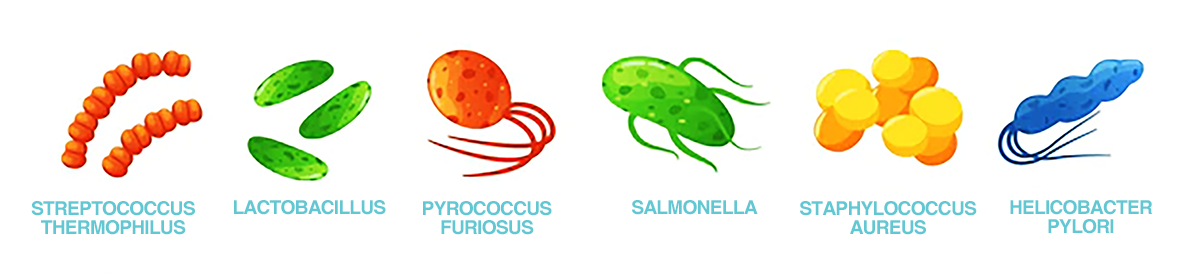
Pathogenic bacteria are among the most widespread living forms on Earth.
Pathogenic bacteria are responsible worldwide for diseases and consequences even on an epidemic scale. They spread through air, water and soil.
Prokaryote cell organisms, usually unicellular, range between 0.2 and 10 µm and reproduce by splitting into two units identical to the mother cell.
Risks for companies and Sick Building Syndrome
Increasingly common in the workplace, Sick Building Syndrome (SBS) poses risks in terms of decreased productivity at work and violation of workers' health protection obligations.
In fact, the symptoms related to this syndrome are a direct consequence of poor indoor air quality (IAQ), measured by healthiness and comfort in relation to occupants. IAQ can be influenced by microbial contaminants such as fungi and bacteria, suspended particles, gases and any other element that can create negative health conditions.

In almost all cases, of the daily average, the indoor environment is always more polluted than the outdoor, taking air, possibly already contaminated, from the latter and adding further elements to it.
Preventing the spread of pathogenic bacteria in the air often involves the maintenance and quality of ventilation, air conditioning and ventilation systems, which can become veritable colonies of pathogenic bacteria and microorganisms, such as Legionella pneumophilla and certain species of Staphylococcus, Candida and Pseudomonas.
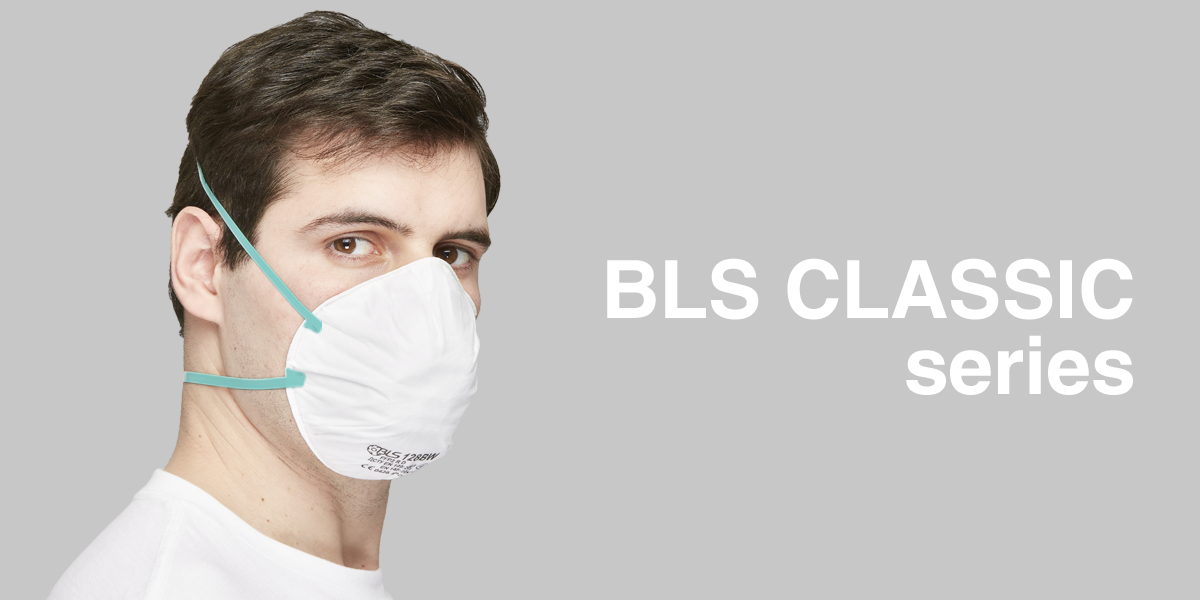
The Covid-19 emergency highlighted the importance of air quality and the need to protect oneself from pathogenic microorganisms by using respiratory protective equipment.

Who is most exposed to BSSs?
The occupational areas most affected by indoor pollution in the workplace are:
• Employees and workers of pharmaceutical companies.
• Doctors, nurses and technical-administrative staff working in hospitals, clinics and outpatient facilities in public and private healthcare.
• Employees of metal and manufacturing industries.
• Workers and clerks in food companies.
• Workers in large offices.
Resta informato, resta al sicuro.