Scopri gli eventi BLS di questo mese
24-27 ottobre
A+A 2023
Düsseldorf, Germania
stand n. 9B32


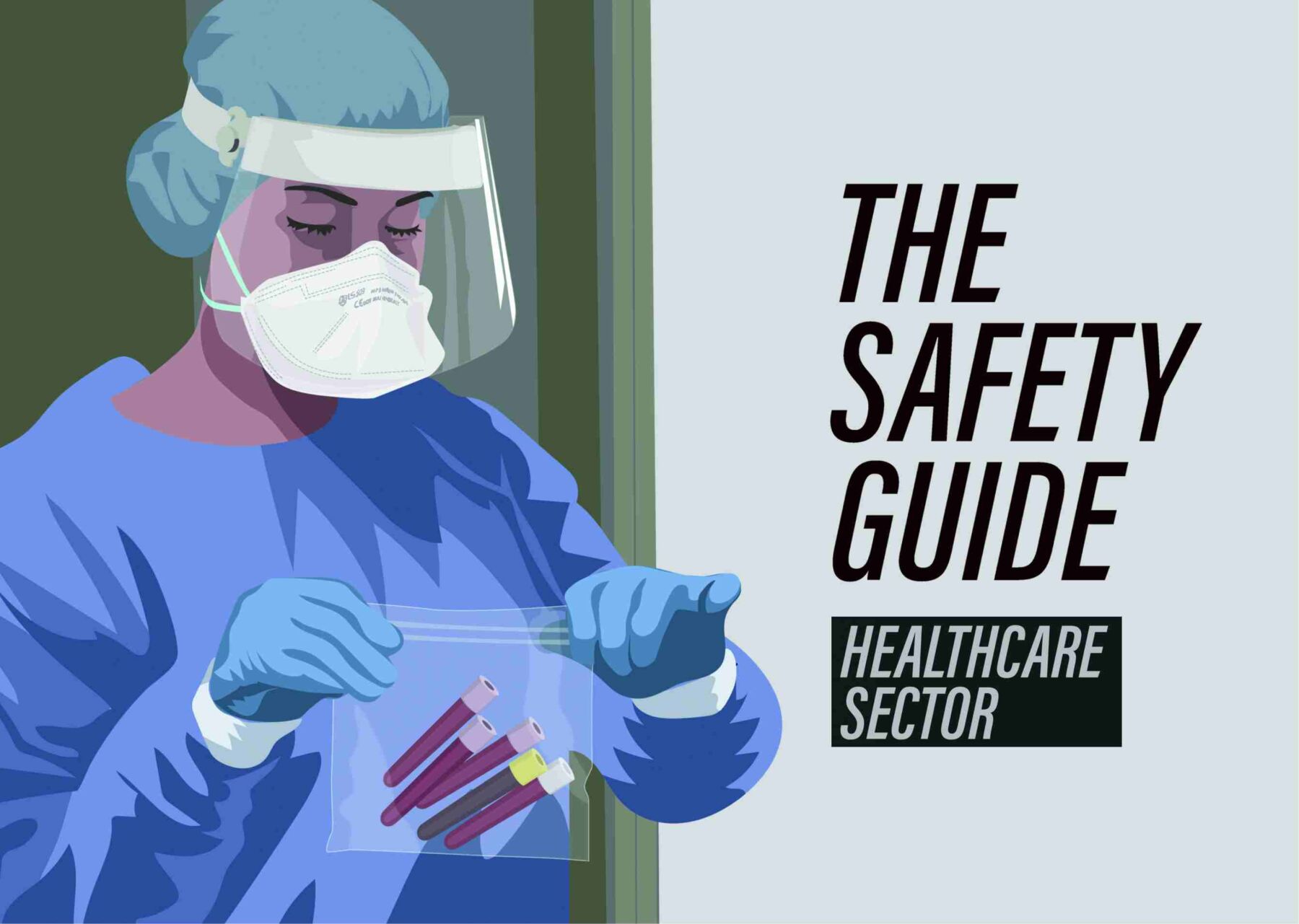
A guide written by Dr. Antonio Moffa, Dr. Claudia Beccaria and Lucrezia Giorgi of the Unit of Integrated Therapies in Otolaryngology at the University Polyclinic Campus Bio-Medical Foundation in Rome.
The healthcare sector employs approximately 10 per cent of workers in the European Union and is therefore one of the largest employment sectors, encompassing a wide range of professions.
Workers in the healthcare sector face different risks related to the use of chemicals and drugs on a daily basis, which can cause skin or respiratory reactions. These professionals are exposed to disinfectants, anaesthetic gases, detergents and other agents used to maintain a hygienic and safe environment for patients. However, this exposure can lead to negative health consequences, such as skin reactions like urticaria and contact dermatitis, often caused by irritation or toxicity of the substances in use. In addition, inhalation of such substances can lead to respiratory disorders, such as allergic rhinitis or even asthma, highlighting the complexity of risks faced by workers in the healthcare sector.
Recently, an increase in the frequency of certain gram-negative bacteria has been observed in hospital care, such as carbapenemase-producing enterobacteria and Acinetobacter spp., which have become responsible for severe infections. These infections pose an additional threat to hospital workers, especially considering the context of the recent Sars-CoV-2 pandemic, which saw an increase in cases of acute respiratory illness. The emergence of these new respiratory pathogens has highlighted the vulnerability of healthcare workers to respiratory tract infections, underlining the importance of personal protective equipment (PPE) respirators to reduce occupational risk when vaccination or specific treatments are not available.
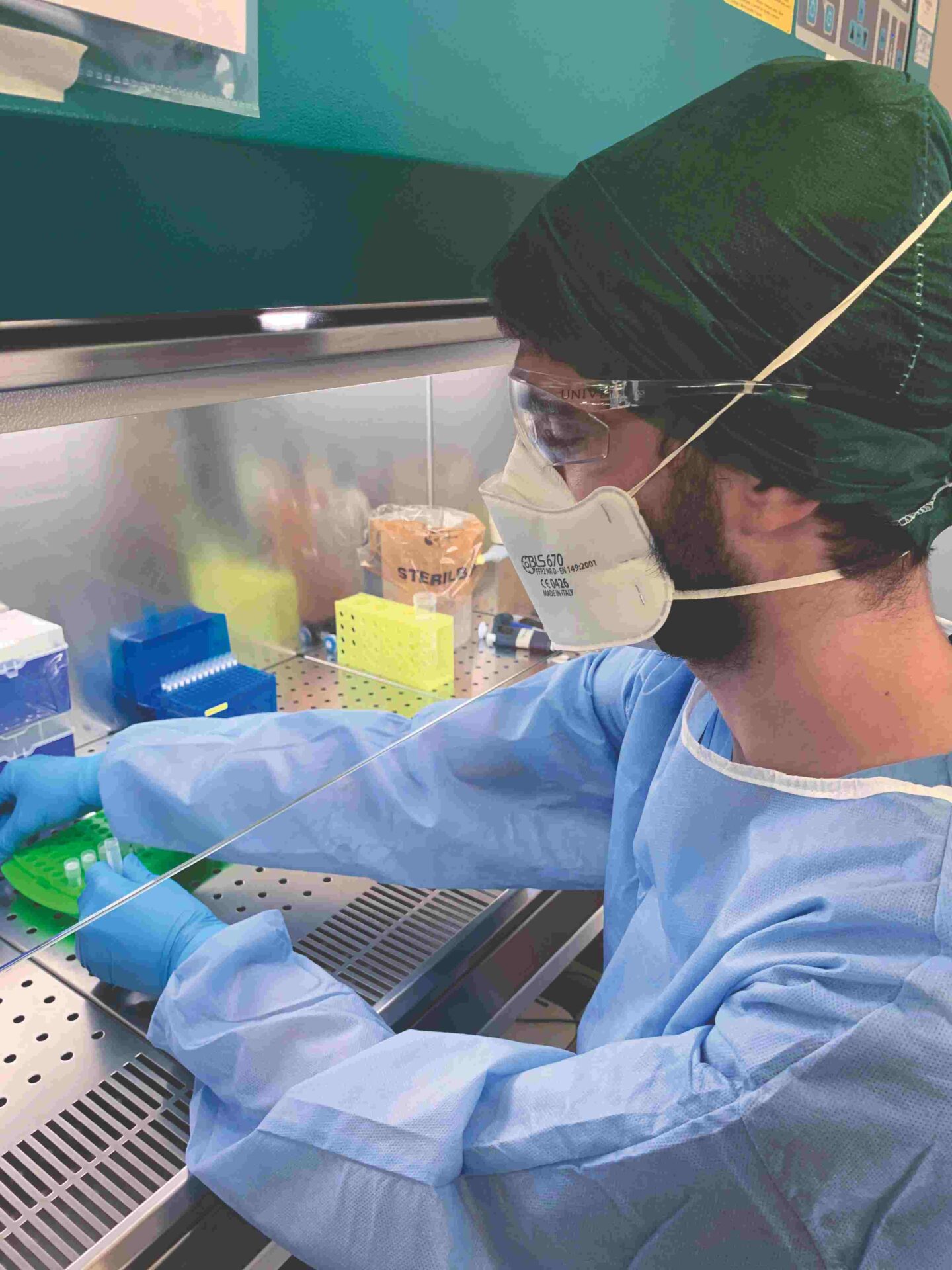
The use of FFP2 and FFP3 masks is crucial to protect healthcare workers from a wide range of biological agents, including those belonging to group 2 (agents risky for workers who are unlikely to spread in the community and for whom effective prophylactic or therapeutic measures are available), group 3 (agents risky for workers who are unlikely to spread in the community and for whom effective prophylactic or therapeutic measures are available) and also some group 4 (agents risky for workers who are unlikely to spread in the community and for whom effective prophylactic or therapeutic measures are available). These devices offer effective protection against aerosols and airborne particles, which are especially essential during procedures with a risk of airborne transmission such as bronchoscopies. In contrast, surgical masks provide limited protection against large droplets and are not suitable to protect against airborne pathogens. Therefore, the correct selection and use of respiratory PPE is crucial to ensure the safety and health of healthcare workers during exposure to potential infectious risks.
Recent studies have shown that the use of FFP2 masks during the entire work shift provides significant protection from respiratory infections compared to those who do not use PPE or wear surgical masks. It was also confirmed that the use of masks is essential as part of infection control measures in hospitals to reduce the risk of respiratory infections among healthcare personnel. Furthermore, FFP2/FFP3 masks are particularly recommended during medical procedures that may generate aerosols, such as performing nasopharyngeal swabs, non-invasive ventilation and other invasive respiratory tract procedures, helping to ensure a safe working environment for healthcare workers.
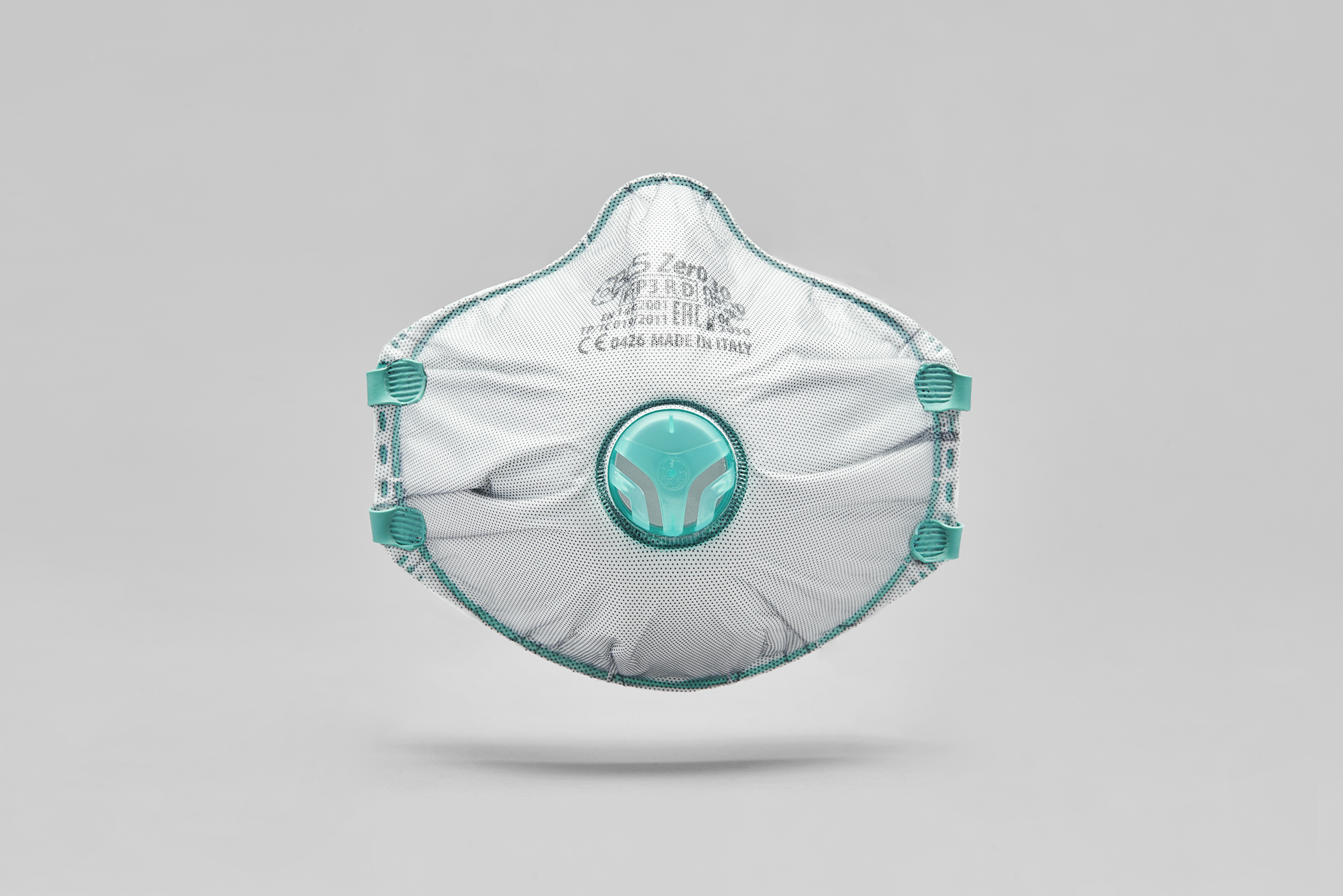
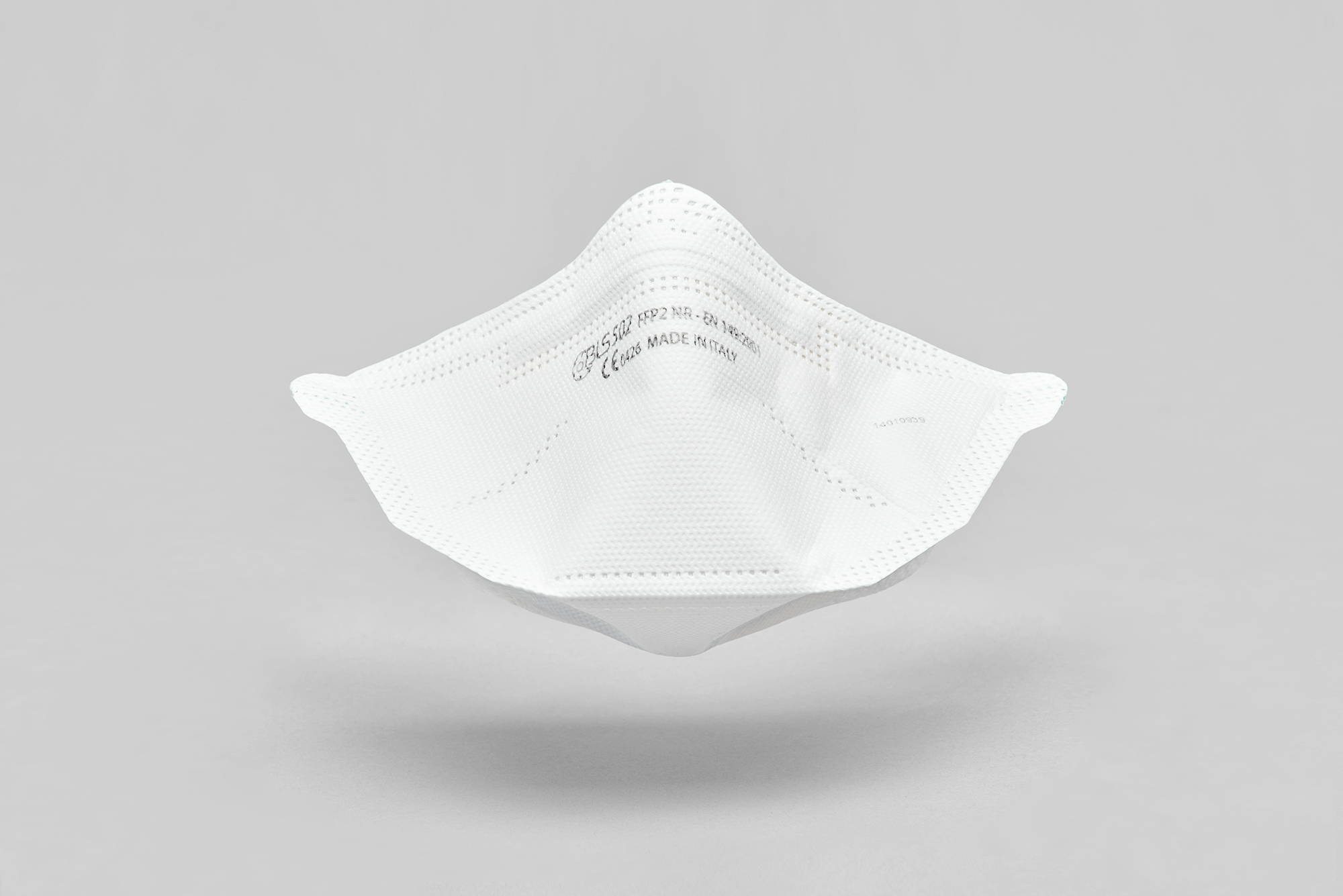
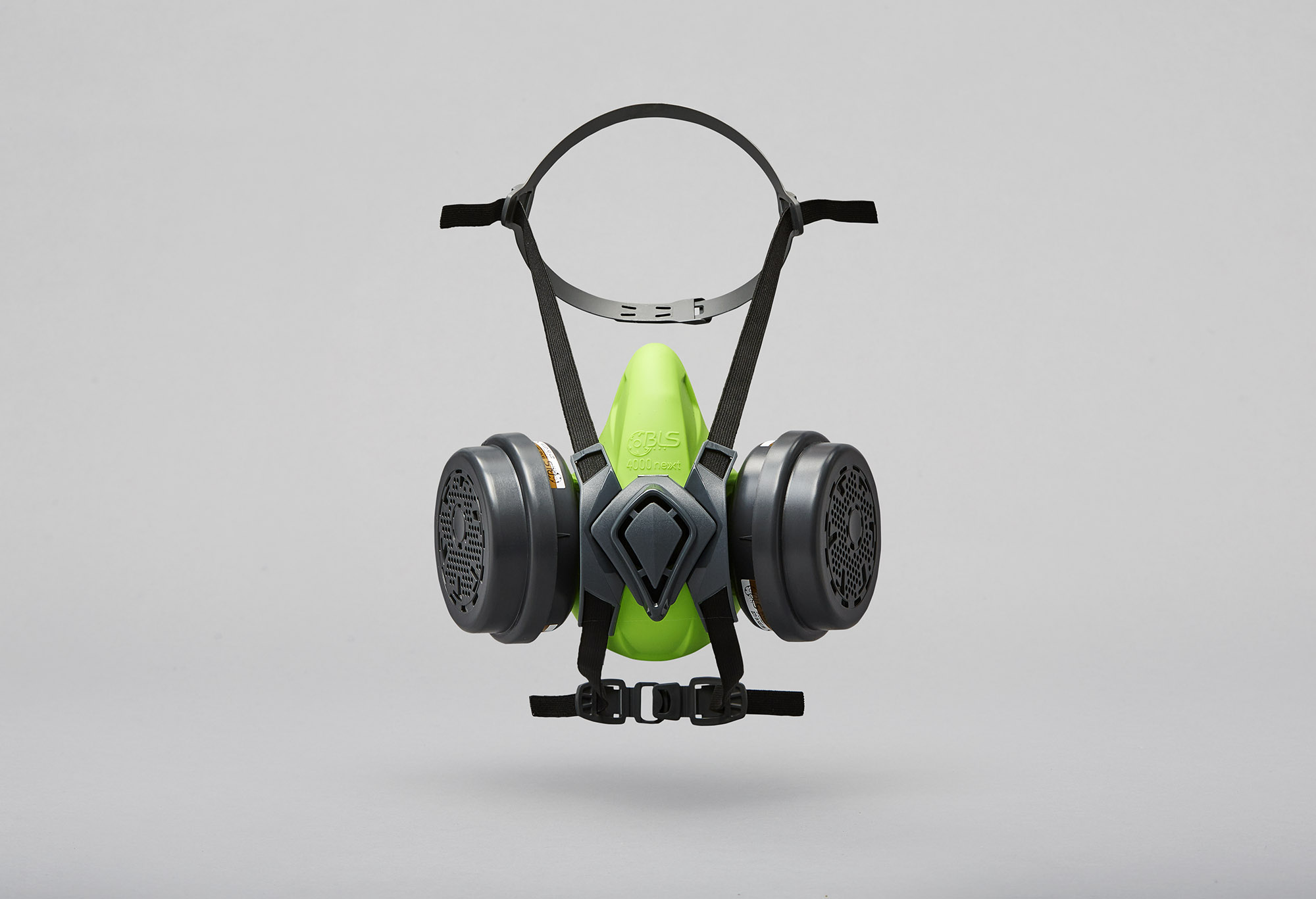
Recommended products:

Scopri gli eventi BLS di questo mese
24-27 ottobre
A+A 2023
Düsseldorf, Germania
stand n. 9B32

BLS è a Intersec 2024 Dubai (Emirates), 16-18 gennaio 2024 BLS è arrivata per la seconda volta a Dubai all'evento internazionale dedicato alla sicurezza e salute, ai servizi di soccorso e alla cybersecurity. Vieni a trovarci. Siamo allo stand 7-E18. La fiera Intersec 2024 quest'anno festeggia 25 anni di presenza nella regione. Questa edizione sarà […]
La semimaschera pronta all'uso Pronta all’uso senza bisogno di manutenzione Non serve montare i filtri. Non serve cambiarli. È una semimaschera che sa combinare la semplicità di un dispositivo usa e getta con l'alto livello di protezione dei dispositivi riutilizzabili. L'estrema facilità di utilizzo lo rende un prodotto veloce e unico nel suo genere. Questa […]