The manufacture of pharmaceutical products involves the use of numerous chemicals, obtained by fermentation, organic or biological synthesis, which can sometimes be used in very high concentrations and risk endangering the health or safety of operators.

The handling of chemical or biological substances used in drugs and reagents involves acute and chronic risks. The toxic effects, such as mutagenesis and neurotoxicity, are often irreversible and may persist over time. The most commonly used products include solvents, corrosive acids and caustic bases. It is essential to manage these risks to ensure the safety of operators and the public.
Granulating, mixing and wet coating operations can expose operators to high solvent vapours. During other steps such as distribution, drying and mixing, airborne particles may increase exposure. Thehandling and storage of these products pose risks of exposure through inhalation, ingestion or direct contact during plant breakdowns. These risks must be carefully managed to prevent harmful exposures and related diseases. Below are the risks related to the various work steps of toxic products and associated diseases. (see table)

Toxicity risks depend on the physical and chemical properties of the products and the routes of entry into the body. Workers in pharmaceutical industries may be exposed to chemicals through inhalation, skin contact, ingestion and eye projection. Common occupational diseases in the industry include osteomuscular, respiratory, ear problems, tumours and other diseases. Exposures to dust, gaseous compounds and solvent vapours can cause allergic reactions, respiratory disorders and cancers. The substances most frequently implicated as causes of occupational diseases include asbestos, hydrocarbon derivatives and other specific chemicals.


In pharmaceutical industries, risk prevention is based on a number of collective and individual measures. Collective measures include adequate infrastructure such as well-designed rooms, safe work plans and effective ventilation devices to capture pollutants. Automation of operations through remote-controlled and controlled systems reduces the risk of operator exposure. In addition, hygienic equipment such as safety showers and eye wash stations are essential, along with hygienic practices such as hand washing.
In order to protect operators from chemical hazards arising from pharmaceuticals, excipients, solvents and disinfectants, the use of personal protective equipment is required. These include:
- Hand protectors, protecting against chemicals, heat, frost and potential allergens.
- Eye and face protectors, protecting against splashes, drops, dusts and irritating gases.
- Body protectors, especially in case of exposure to corrosive substances.
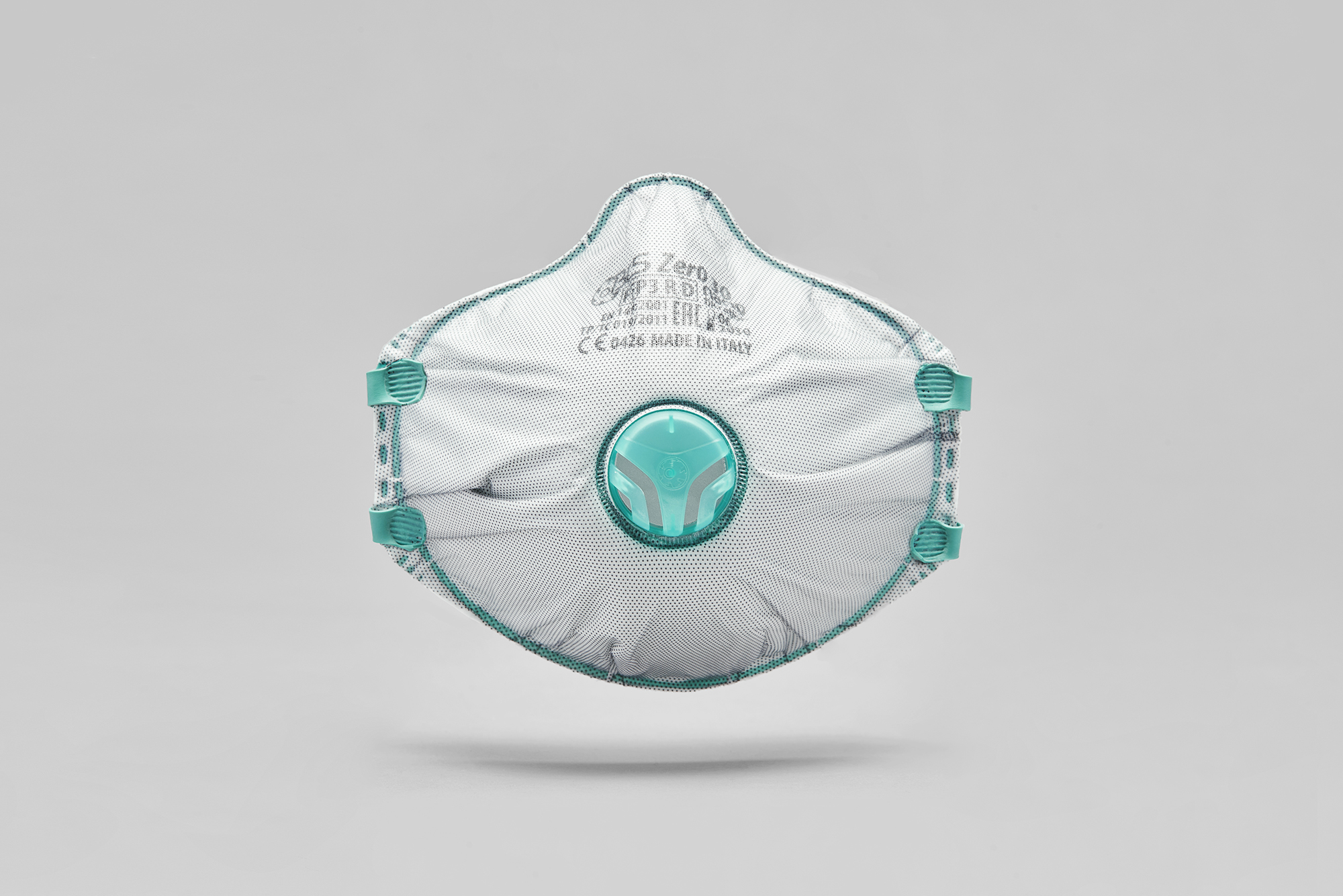
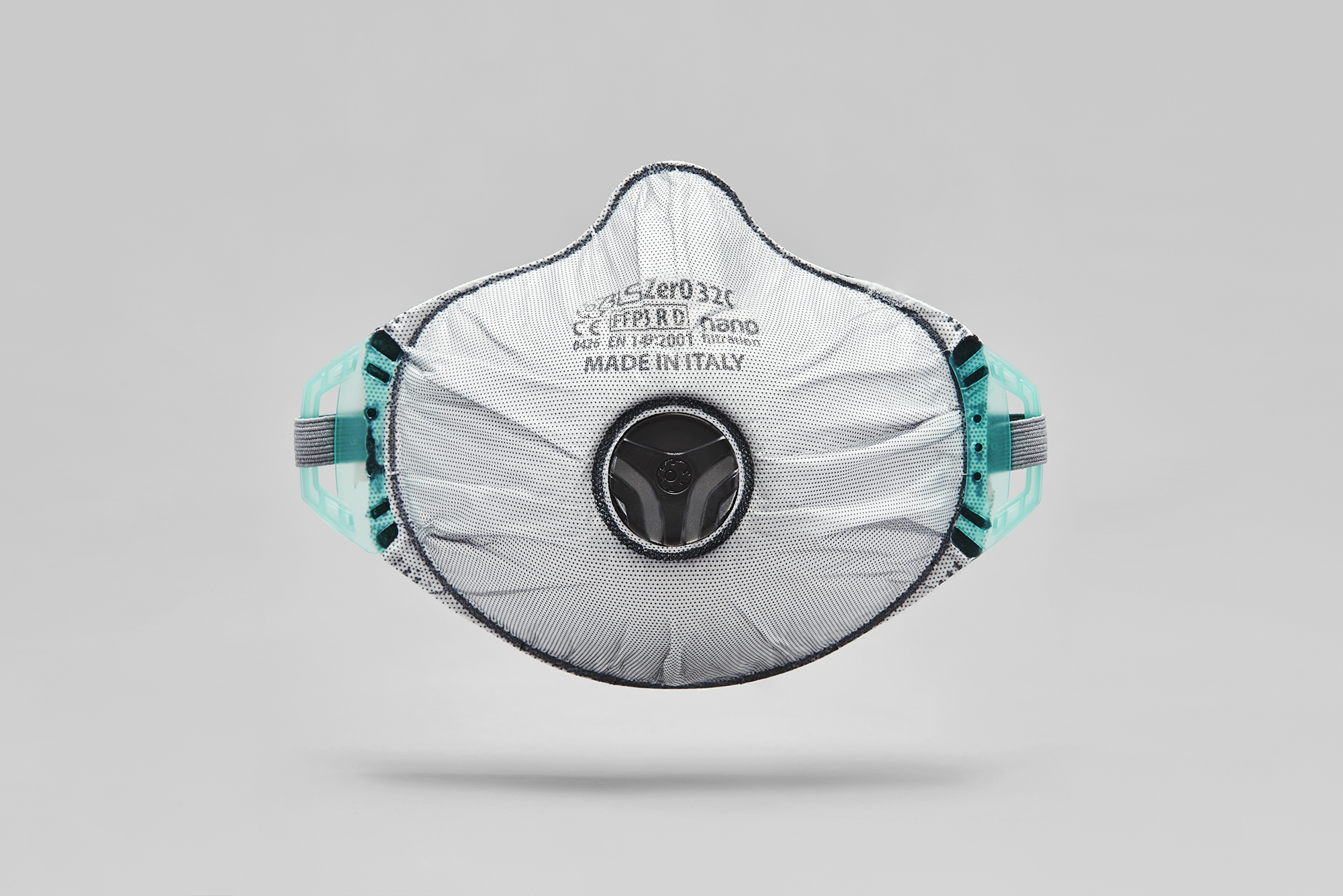
- Respiratory devices, protecting against the harmful effects of gases, vapours, dusts, fibres, fumes and mists.
Furthermore, it is essential that operators receive training and detailed information on the risks associated with the products and materials used, so that they can adopt safe behaviour while working.