Ministerial Decree number 274 provides the following definitions:
- Cleaning: encompasses operations to remove dust, unwanted materials or dirt from surfaces, objects, confined spaces and appurtenant areas.
- Disinfection: encompasses operations to make certain confined spaces and appurtenant areas healthy by destroying or inactivating pathogenic microorganisms.
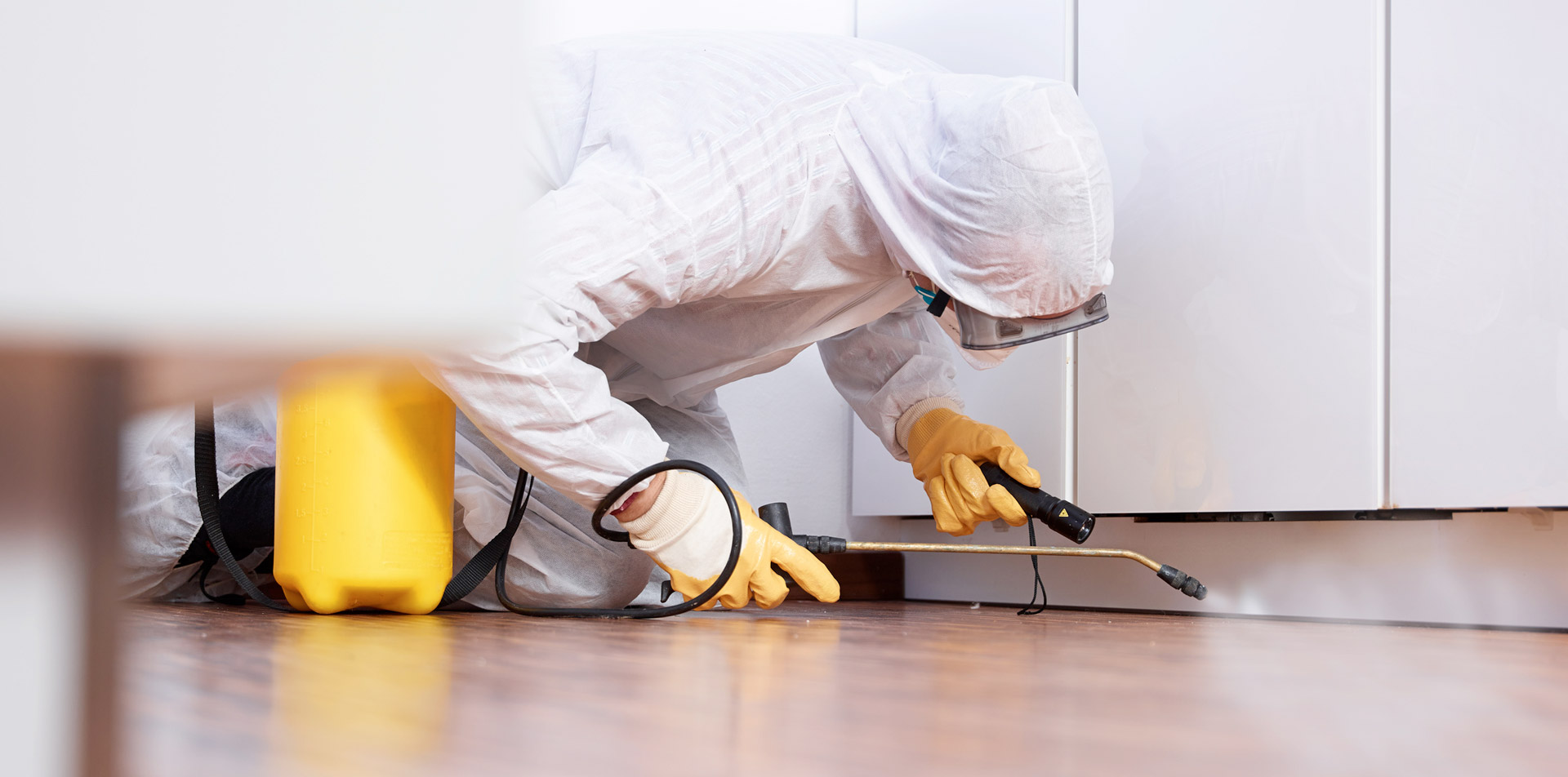
- Disinfestation: includes operations to destroy small animals, such as arthropods, either as pests, vectors of infectious agents or simply as nuisance animals, and unwanted plant species. It can be integral, targeted at all pest species, or targeted at a single species.
- Deratisation: includes pest control operations aimed at destroying or reducing the number of rats or mice below a certain threshold.
- Sanitisation: includes operations aimed at making certain environments healthy through cleaning, disinfection, pest control or the control and improvement of microclimate conditions, such as temperature, humidity, ventilation, lighting and noise.

The following list contains several chemicals used in environments that require airway protection through PPE (Personal Protective Equipment):
- Hydrogen Peroxide (H2O2): can irritate the respiratory tract, causing sore throat, coughing, dizziness, headache, nausea and shortness of breath. Prolonged exposure can damage the respiratory tract and lungs and is corrosive to the eyes, skin and respiratory tract.
- Pyrethrum: inhalation may cause headaches, nausea and vomiting, while repeated exposure may cause asthma.
- Boric acid: inhalation may cause coughing and sore throat.
- Ethyl carbamate: may cause coughing and wheezing if inhaled.
- Formaldehyde: inhalation can cause coughing, sore throat, retrosternal burning sensation, headache and shortness of breath. It is irritating to the eyes and respiratory tract, can cause pulmonary oedema and is carcinogenic.
- 2,3,7,8-Tetrachlorodibenzo-p-dioxin: irritant to eyes, skin and respiratory tract, may cause cancer with delayed effects.
- Ethylene oxide: inhalation may cause coughing, drowsiness, headache, nausea, sore throat, vomiting and weakness. It is toxic, irritating to the eyes, skin and respiratory tract, carcinogenic and can cause asthma.
- Active chlorine: may cause coughing, difficulty breathing, wheezing, sore throat and pulmonary oedema if inhaled.
- Ozone: can cause sore throat, coughing, wheezing, difficulty breathing, headaches and pulmonary oedema if inhaled.

In conclusion, it is essential to provide appropriate training to personnel involved in cleaning activities, to teach them the correct methods of environmental hygiene, the appropriate use of detergents and disinfectants, personal prevention and protection measures, as well as the criteria for verifying the correct execution of operations.
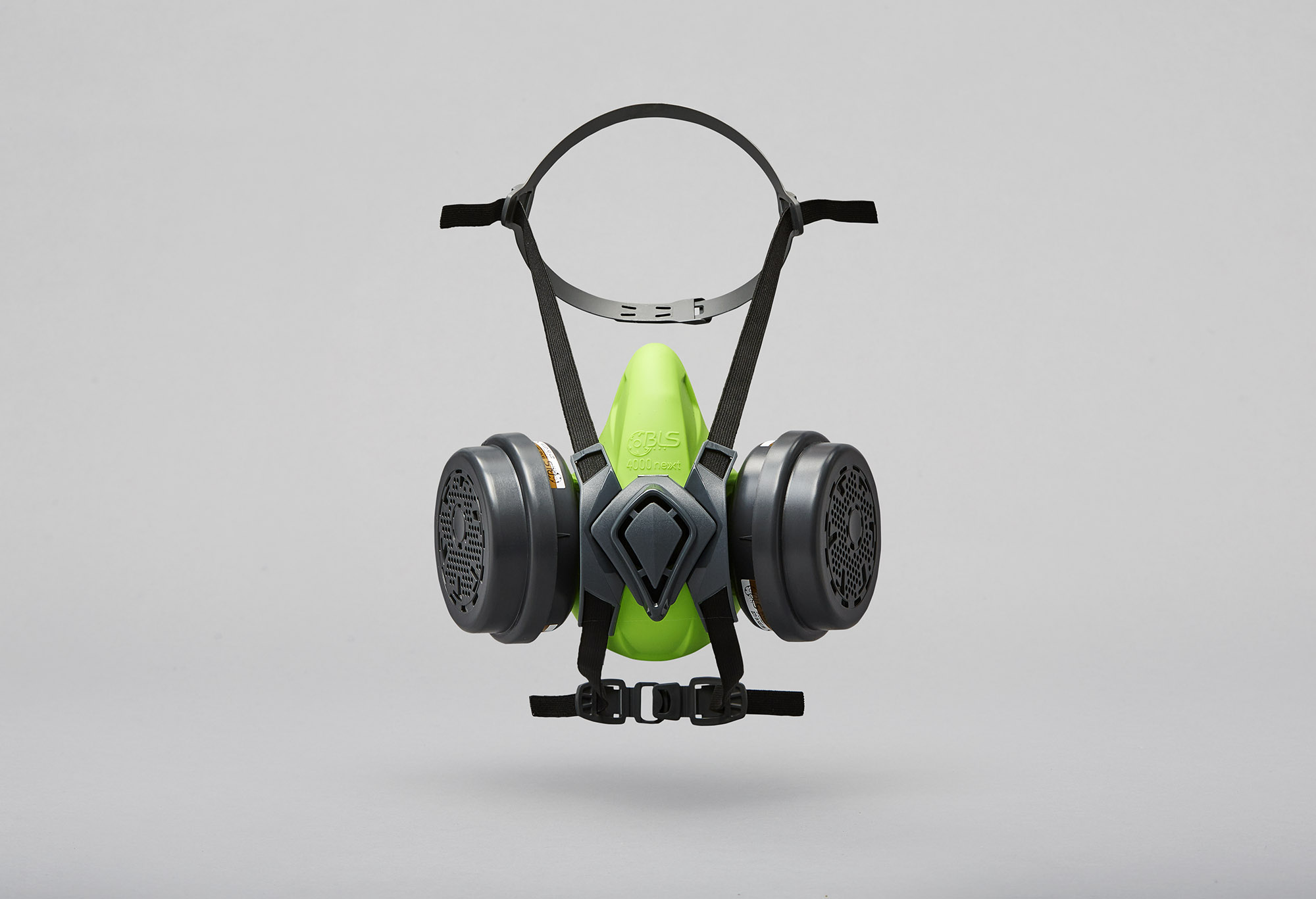
It is essential to use the most suitable personal protective equipment (PPE), including those for respiratory protection, such as filtering facemasks, half-masks, full masks and self-contained breathing apparatus, especially in environments with a lack of oxygen or the presence of toxic substances or airborne biological agents. Cleaning operations should preferably be carried out when there are no people present, to avoid interference or risks to human health.