Welding health risks
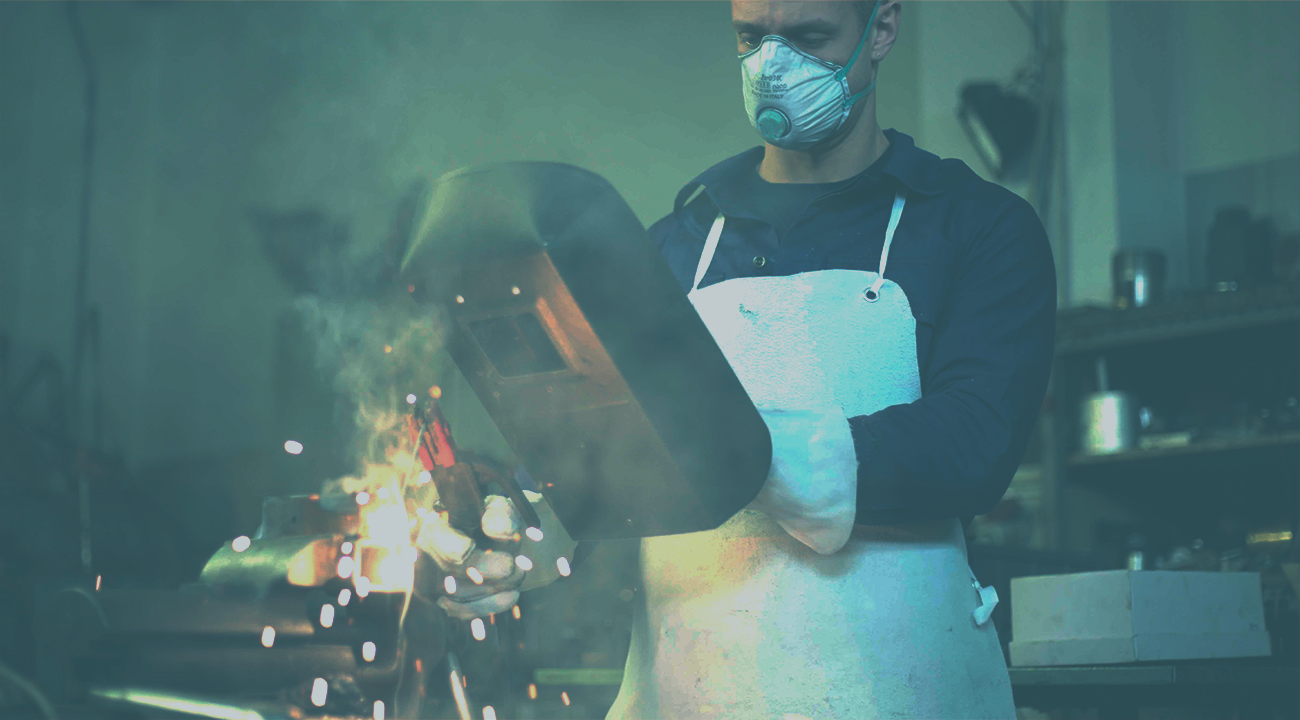
The welding sector is one of those considered to be at risk of health consequences for workers. During welding operations, hazardous components such as gases, dust and fumes, radiant energy and other risk factors are released.
For the respiratory tract, the inhalation of toxic substances such as aluminium, cadmium and iron dusts and fumes, as well as carbon dioxide (CO2), carbon monoxide (CO) or nitrogen dioxide (NO2) gases, can lead to both acute and chronic health risks and effects.
What effects can it have on respiratory health?
As the welding techniques used and the harmful substances released vary, so do the health effects and risks, and it is important to consider the duration and intensity of exposure.
Acute respiratory health effects include metal fume fever, also known as welder's fever, and a general decrease in respiratory function, which may include symptoms such as coughing, sputum, wheezing and chest tightness.
Welder's fever
This is a flu-like body reaction involving a variety of symptoms such as fever, chills, general malaise, myalgia, headache, dry cough and breathlessness. It occurs following exposure to fumes containing metal oxides such as zinc oxides, released during the welding of galvanised steel.
Chronic respiratory risks, on the other hand, include a number of serious conditions that can occur as a result of welding operations, such as chronic bronchitis or chronic obstructive pulmonary disease (COPD), pneumoconiosis or pulmonary fibrosis, asthma, respiratory infections, and lung cancer.
Occupational asthma
Asthma is often one of the so-called occupational diseases, diseases that develop due to the presence of harmful stimuli in the working environment. Occupational asthma appears to be produced by welding fumes from stainless steel and is therefore attributed to chromium and nickel as hypothetical causative agents.
Unlike occupational accidents, occupational diseases do not occur immediately but develop gradually over time. The effects of exposure may appear after fifteen or twenty years.

What dust does welding expose people to?
The problem of welding dust depends mainly on the size of the dispersed particles: during cutting and brazing operations, individual particles have a diameter of 0.01 to 1 µm.
The smaller the dispersed particles are, the greater their ability to penetrate the lungs.
Breathable dusts are generally understood to be suspended particles smaller than 4 microns in size that are able to reach the alveolar area of the lungs through breathing.
Prevention and protective measures
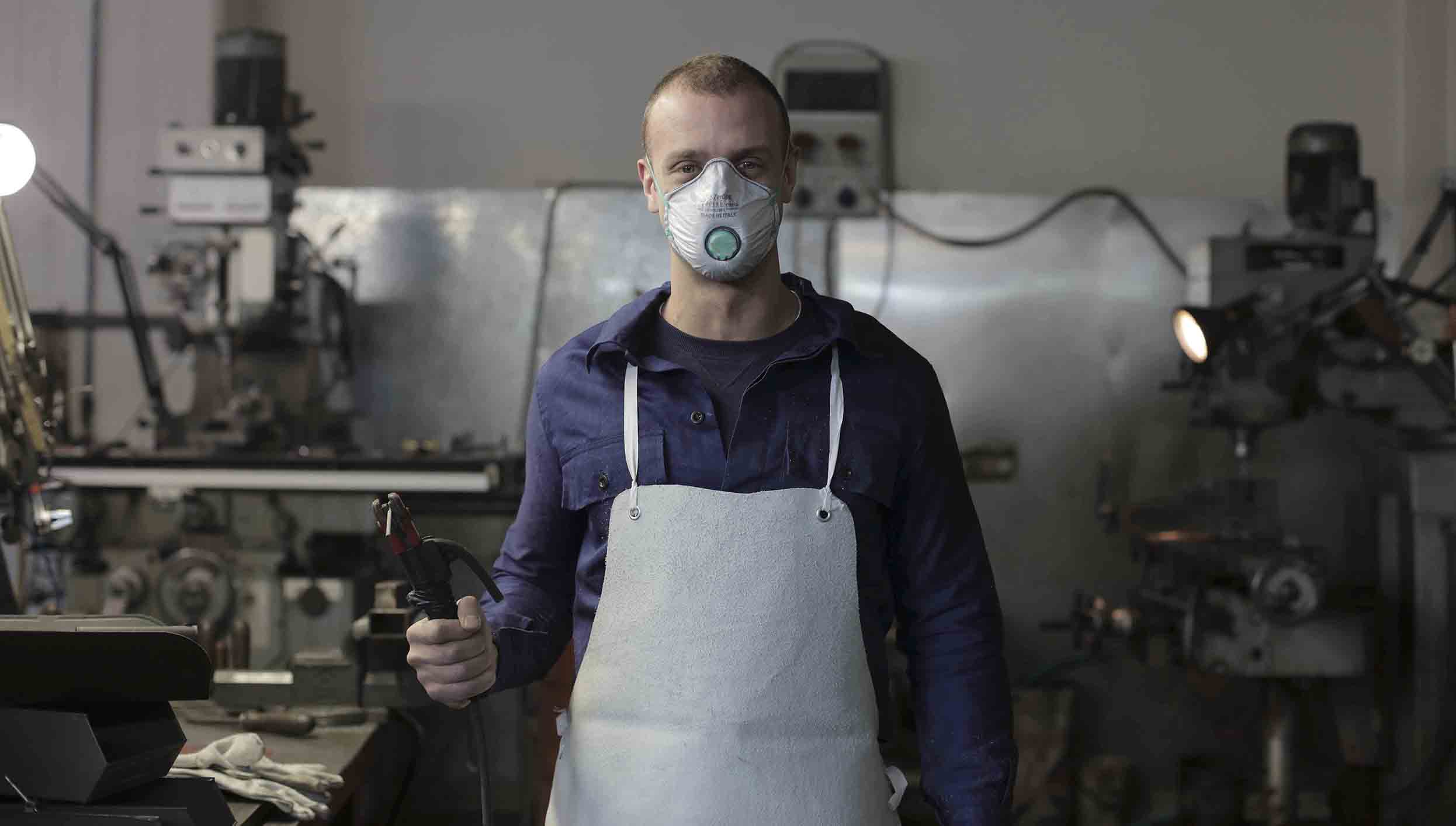
The use of PPE (personal protective equipment), such as masks, overalls, goggles and gloves, is extremely important to safeguard the health of workers exposed to the risk of dust and gases.
In particular, for welding work, the use of respiratory protective devices that act against dust and unpleasant odours is recommended.
BLS recommends products with a dust protection class of P3.
This class has a minimum filtering efficiency of 99% because it is able to protect up to 50 times the exposure limit value (TLV), which identifies the limit value of concentration of airborne chemicals above which - if regularly exposed - a worker is considered to suffer adverse health effects.
Below are two of our BLS products suitable for safe welding operations.

- BLS Zer0 30 C reusable filtering facepiece, with FFP3 protection and activated charcoal.
- BLS 4000next reusable silicone half-mask used in conjunction with the BLS 201-3C activated charcoal dust filters with P3 protection.
It should be remembered that it is always depending on the assessment of the environmental risk, and therefore the concentration of the pollutant present, that the correct protective device can be selected.
Resta informato. Resta al sicuro.