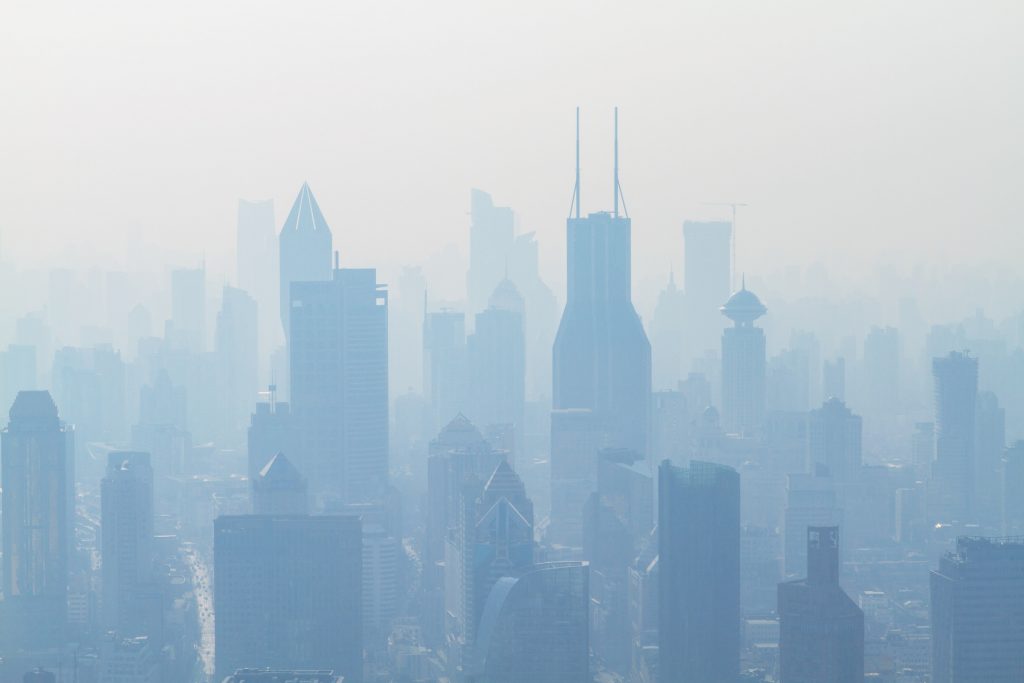
Photo by Photoholgic on Unsplash
Atmosphere
Introduction
AIR is the resource used by each of us and its quality is our responsibility. If AIR is not visible, it does not mean that it is not there; on the contrary, it has a composition, a weight and a measure. AIR is indispensable for survival and our health depends on its quality, but air is also a symbol of life and freedom, it exists, it surrounds us, it envelops us every day of our lives.
Composition and air quality
Atmosphere is a mixture of different gases in different quantities, which may change depending on the altitude. The breathable part is composed of nitrogen N2 78.1%, oxygen O2 21.0%, argon Ar 0.9%, carbon dioxide CO20.04% and other elements.

When one of these components is present in a percentage other than those mentioned above (fig. 1), or when different substances are present in the air in concentrations that are dangerous to human health or the ecosystem, we can talk about atmospheric pollution.

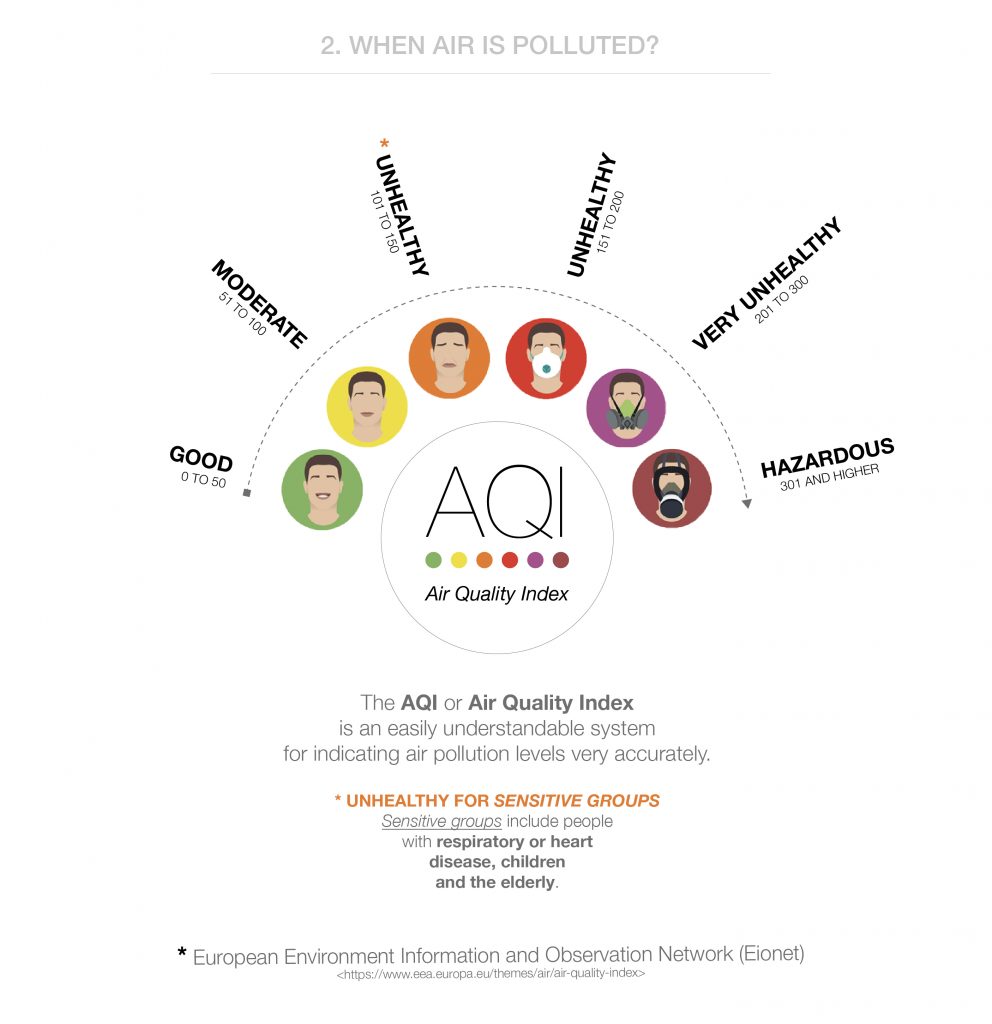
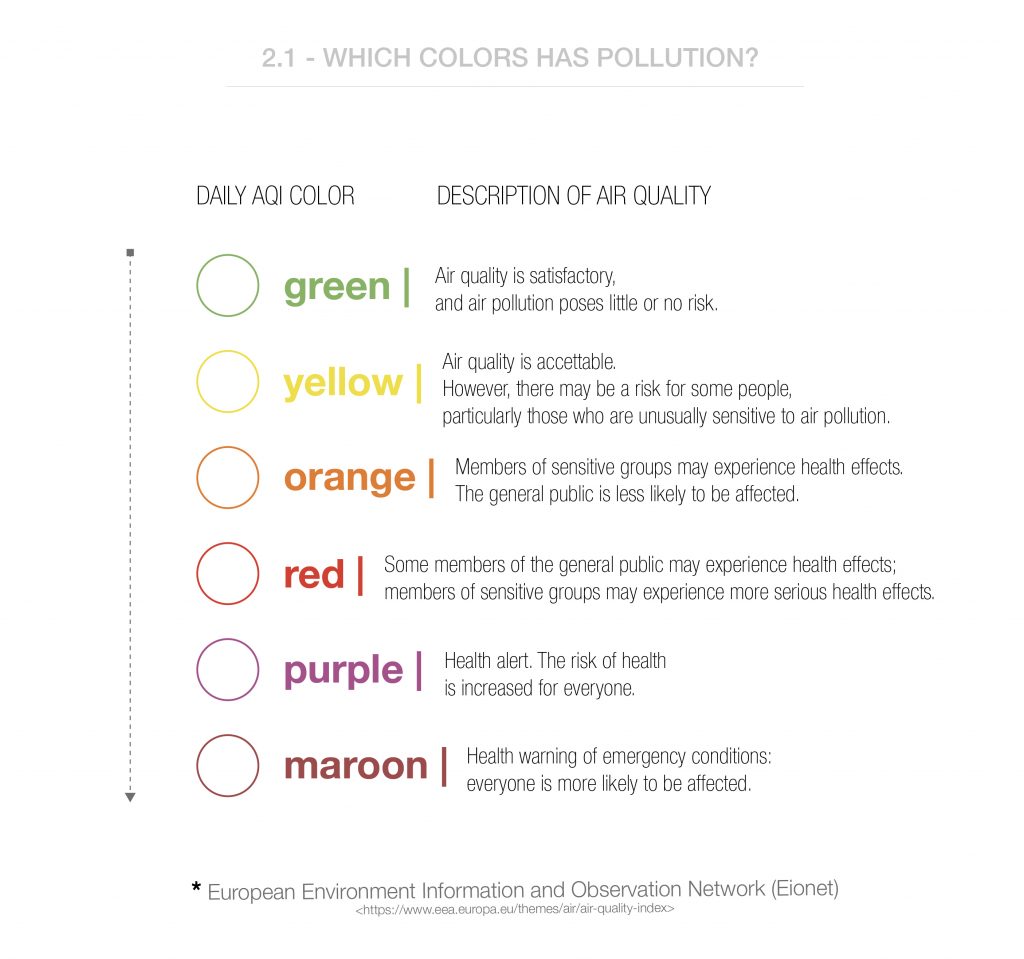
In the urban environment (fig.2; fig.2.2), the reference standard for air quality (AQI) is defined by LD 155/2010*, while for the professional environment reference is made to LD 81/2008**.
In the workplace, in fact, a risk assessment must be carried out in advance to determine the presence of dangerous substances and the effects resulting from their combination.
* Implementation of the European Directive 2008/50/EC.
** Legislative Decree on the protection of health and safety in the workplace currently in force in Italy.

Air pollution sources
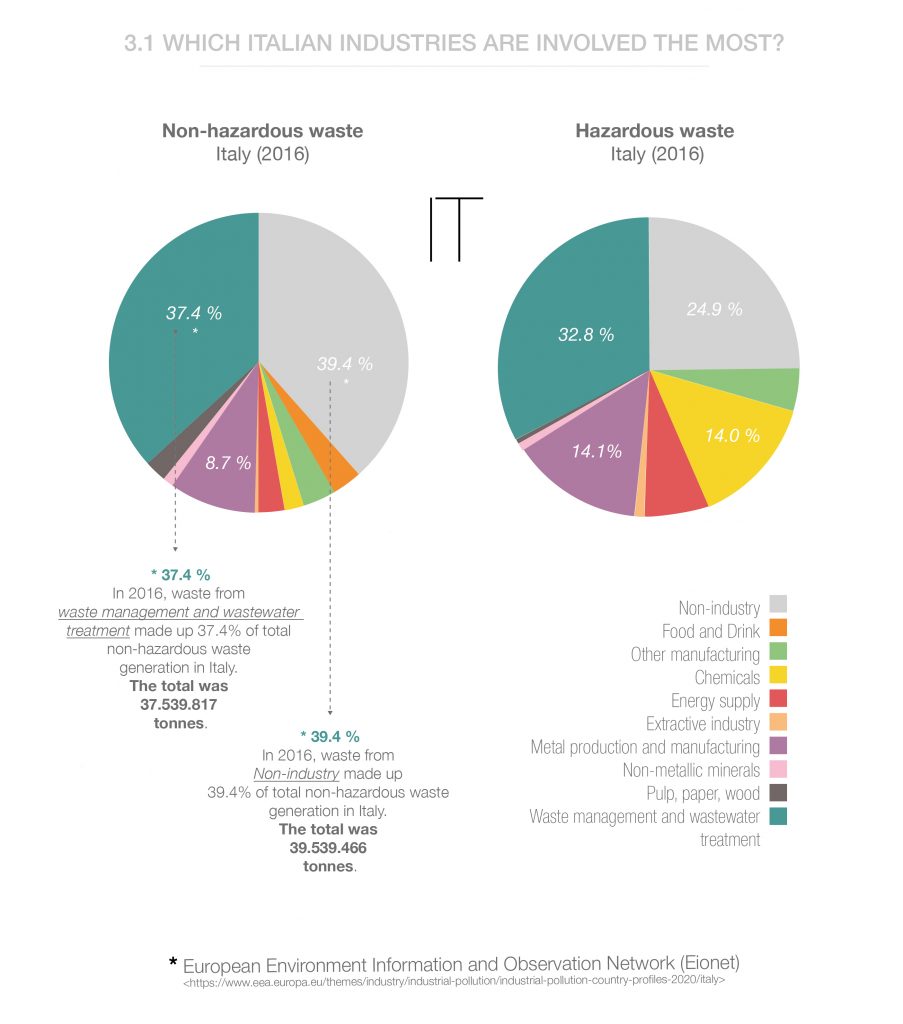
Air quality can be altered by phenomena of natural origin, such as volcanic and radioactive emissions, windblown dust, pollen and fungal spores, or by anthropogenic factors: just look at the percentages of pollution produced by industrial activities each year in Italy (fig.3; 3.1). The latter type of pollution is the most widespread and it is to this that the term generally refers.


Photo by Mike Marrah on Unsplash